


We set up an ad-matching service – saving 72% of time on changes
Finex

The Results
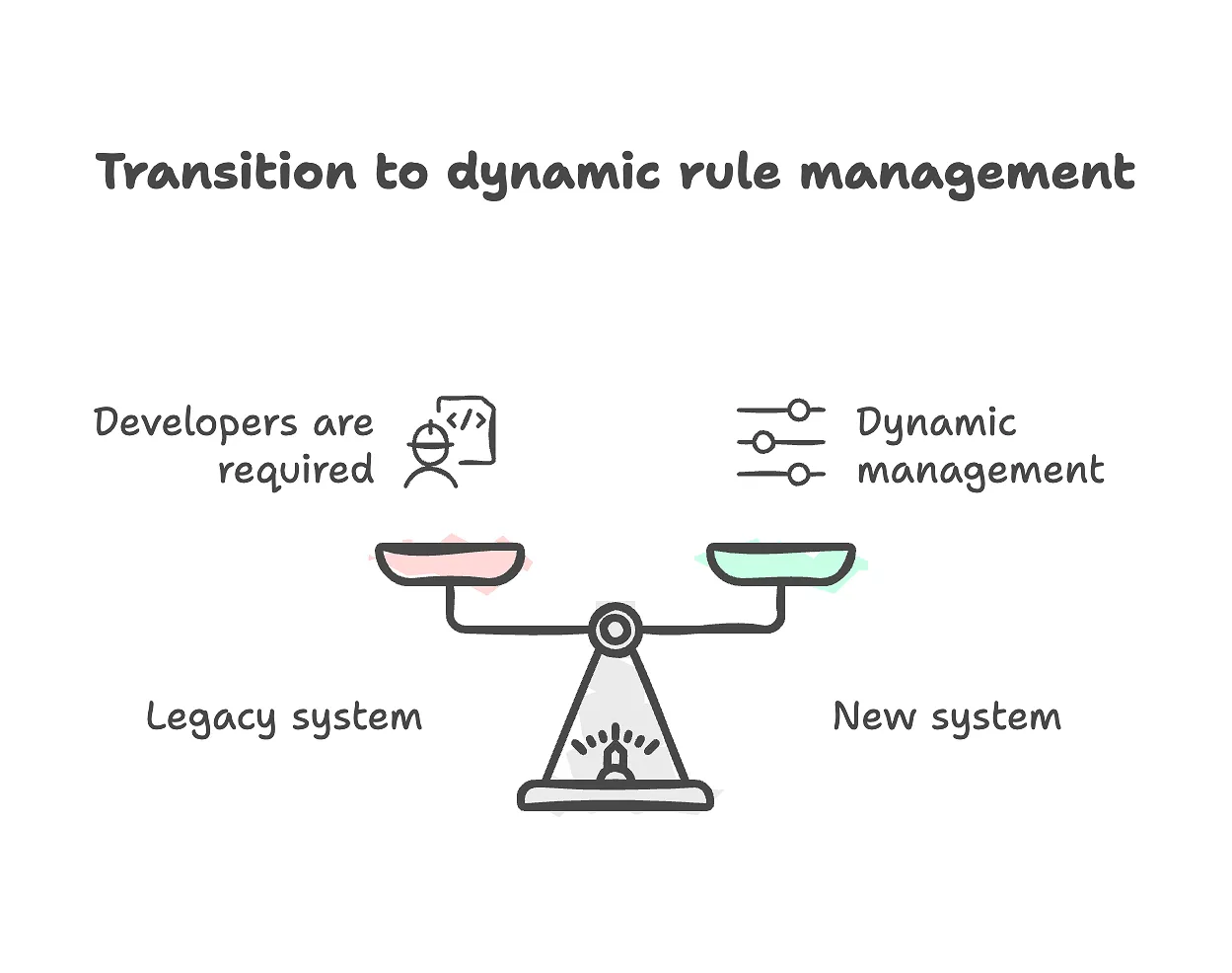
Before – 4.5 hours to implement any new rule
After – 15 minutes — without code edits
Result – +18% successful deals and -40% support tickets
Technology – Instead of "spaghetti code" — we implemented a chain of independent steps (pipeline)
For three years, the platform grew with the business—buyers found the ads they needed in just a couple of clicks. But the more requirements appeared, the longer we "dug around" in the code. Each new condition led to dozens of edits and a week of testing.
We decided to remove this "bottleneck" once and for all. The goal was simple and ambitious: to make the system so flexible that any new filter or rule could be enabled in minutes—without developer involvement or business delays.
System Overview
Before – One bulky program, where any new rule "pulled a thread" of edits throughout the code.
After – A chain of independent steps—like a conveyor belt, where each block is responsible only for its own operation.
- Availability filter screens out listings where the product is out of stock. The service doesn't show empty listings, improving the user experience.
- Price check – we compare against the average market price. We remove overpriced lots to increase purchase conversion.
The New Architecture
- Pipeline. A process made of "blocks" (pipes) that run in a strict sequence. Logic can be rearranged or enabled/disabled without recompilation.
- SRP (Single Responsibility Principle) — one task = one pipe. If a new brand filter is needed, we create a separate module instead of digging into old code.
- DIP (Dependency Inversion Principle) — independence from the "internals." Pipes communicate through common interfaces; if we change an implementation, the others don't notice.
- OCP (Open/Closed Principle) — "closed" for edits, "open" for extensions. We add functionality through new modules, not by editing old ones.
- Factory Method. The system "assembles" the required set of pipes based on settings from the DB: marketing adds a new criterion → the platform picks it up on the fly.
Now the business team changes matching rules through an admin interface, not through Jira tasks for developers. Changes go to production in minutes and are immediately reflected in sales statistics.
Problem: Limited Flexibility and Complex Updates
The business team constantly added filters and coefficients, and the old mechanism couldn't keep up:
- one new condition → dozens of code changes;
- releases were delayed, tests dragged on, clients complained.
We needed to create a structure that would allow implementing new filtering rules without touching the existing code.
Solution
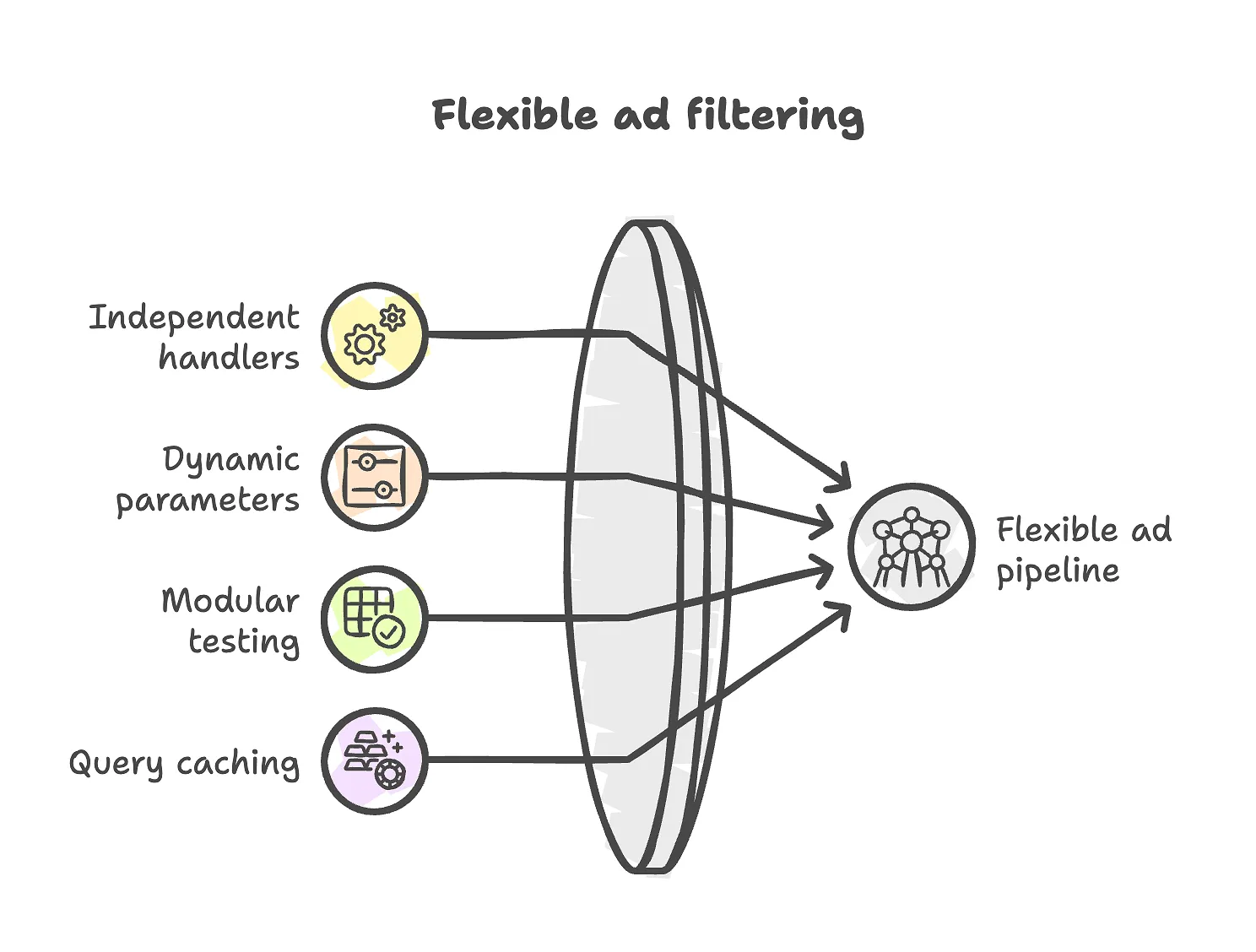
Flexible pipeline
A chain of independent filters. Any step can be enabled/disabled with 1 click, without a new release.
Rule management from the database
A manager changes the JSON profile without a developer. A new rule is activated in minutes.

Modular testing
Each pipe is covered by tests. The service remains stable even with frequent changes.
Results
- Flexibility and speed of adaptation — new business rules are implemented instantly, without needing code changes.
- "View → Deal" Conversion — more accurate ad matching led to an increase in successful deals.
- Reduced load on support — it's now clear why an ad failed filtering, which reduced the number of support inquiries.
- Increased performance speed — caching and code structure optimization sped up the matching process.
- Transparency and control — it's now easy to track which pipe rejected an ad, simplifying analysis and debugging.
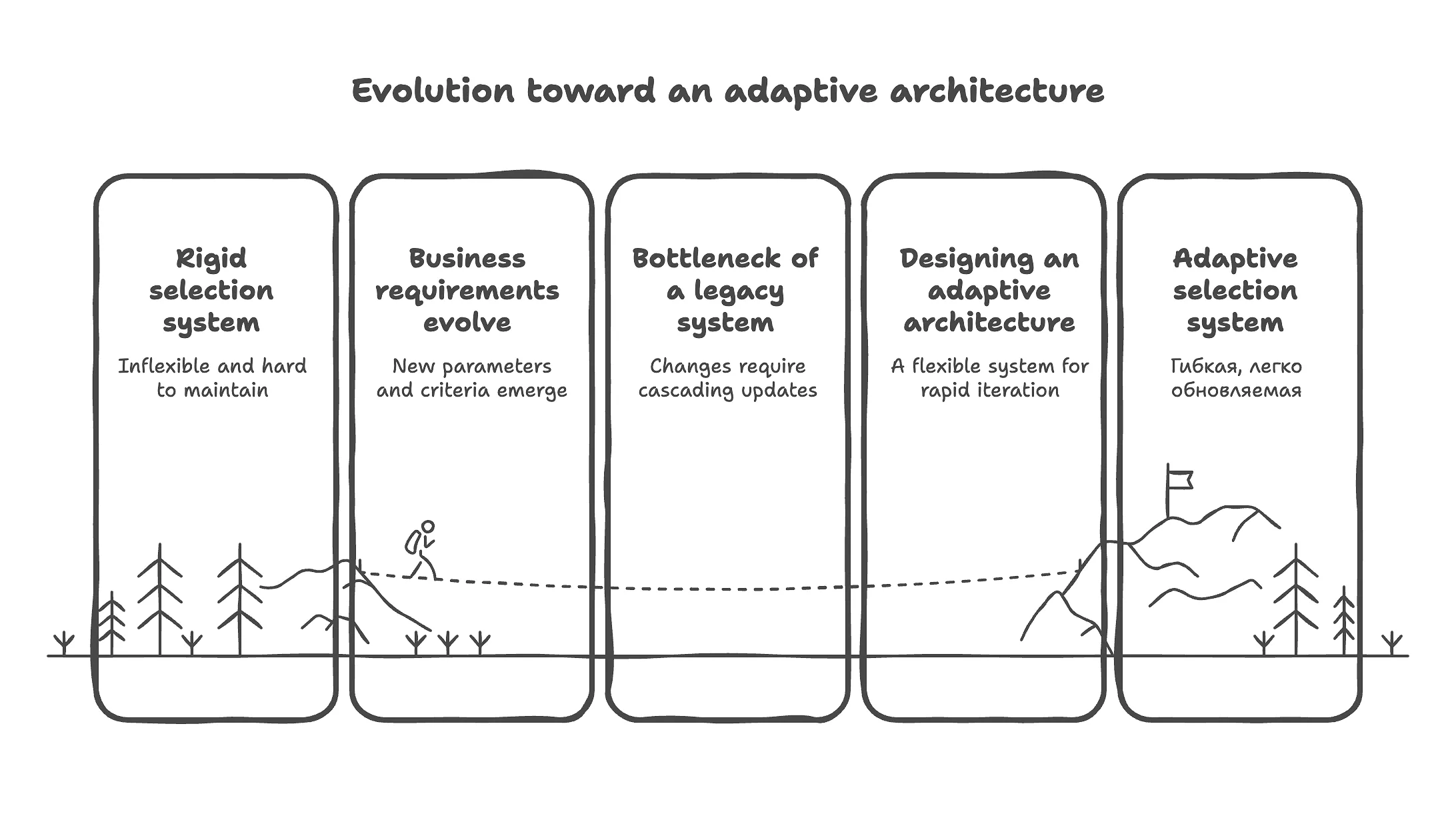
Why This Approach Was Beneficial
What's next?
We've turned ad matching into a constructor that adapts to the market in minutes. The next step is to embed an A/B testing engine directly into the pipeline, so the business can test new rules "on the fly" and instantly see which ones actually increase revenue.
Other projects

VPUT is an aggregator for apartment rentals in Bulgaria. Over a dozen people worked on this project, with an overall investment of 300,000 euros. This rental property database currently features 2,200 units.


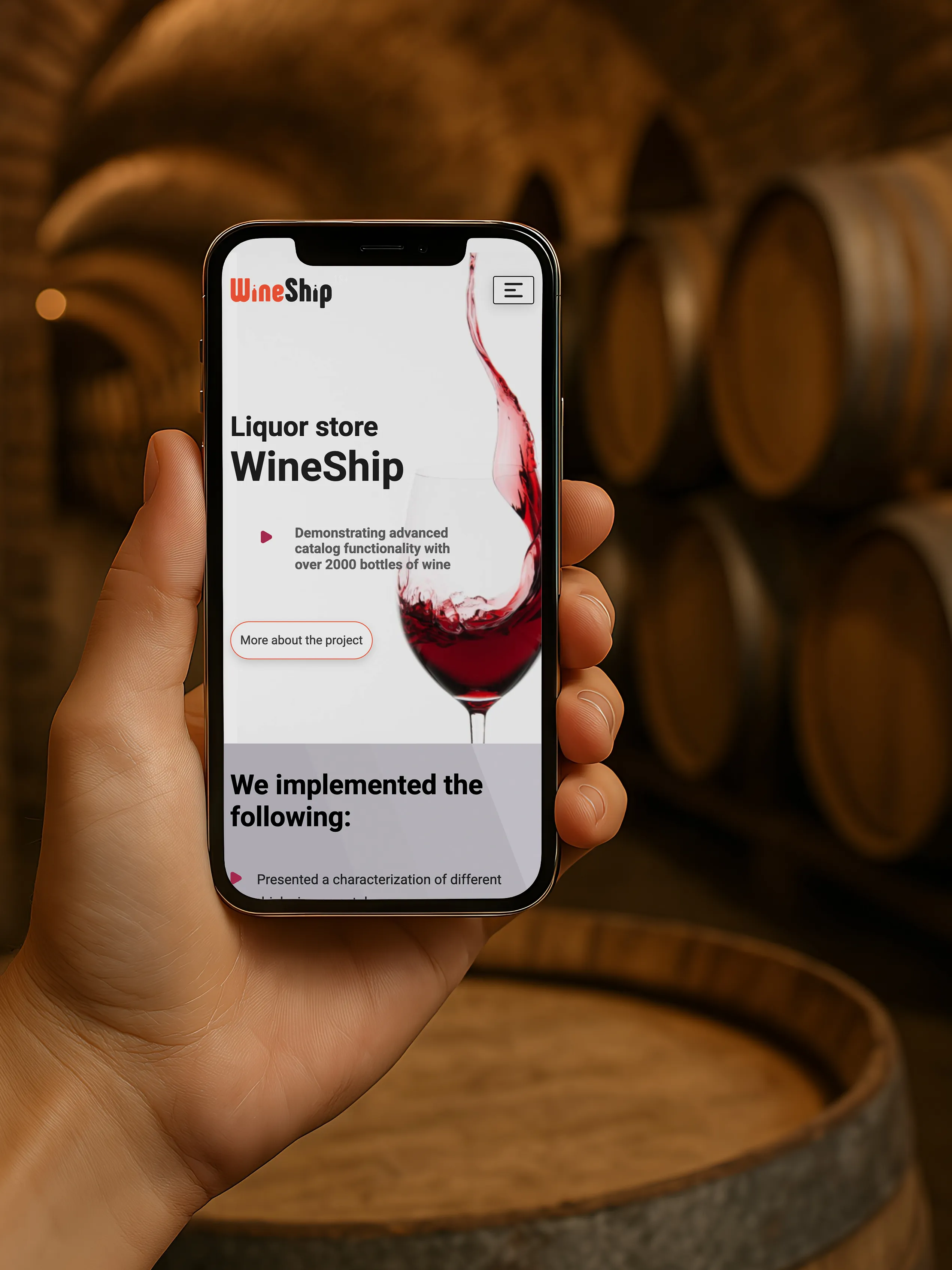
WineShip Liquor Store – advanced catalog functionality with over 2,000 bottles of wine.
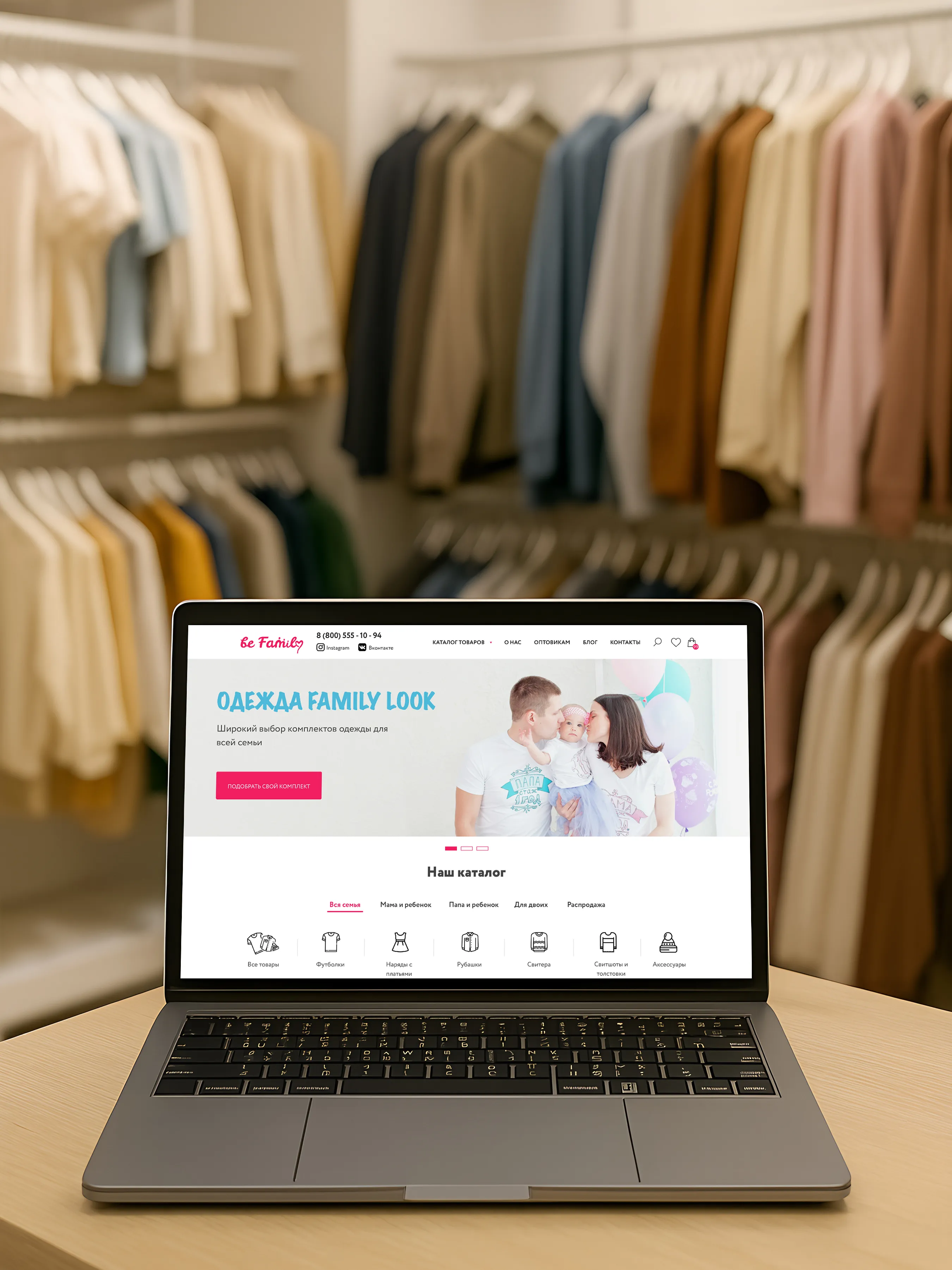
We developed a family clothing online store, optimizing the catalog, design, and user experience, boosting sales with SEO and usability improvements.

A modern site for selling elite, handmade carpets. Our main goal was to create a user-friendly, trustworthy website.

Successful launch of the RiseX cryptocurrency exchange from scratch – in just 7 months. The project involved 5+ people.
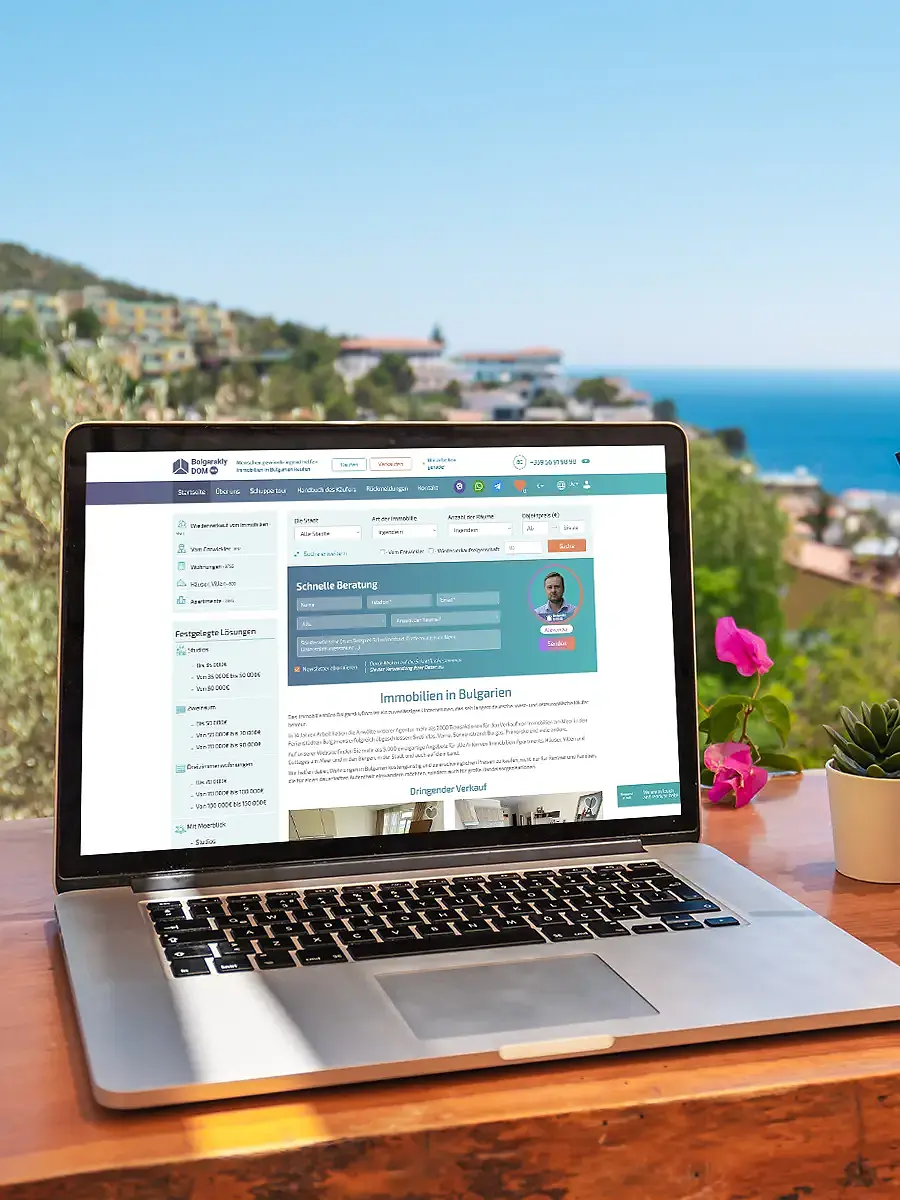
Bolgarskiy Dom is an aggregator for apartment sales in Bulgaria. Over 10 of our people worked on launching this project, creating a database of 5,000 apartments (as of 2024).

Neweurofences.com is an online store specializing in metal fences and gates. It operates in the USA, with delivery available to other countries.
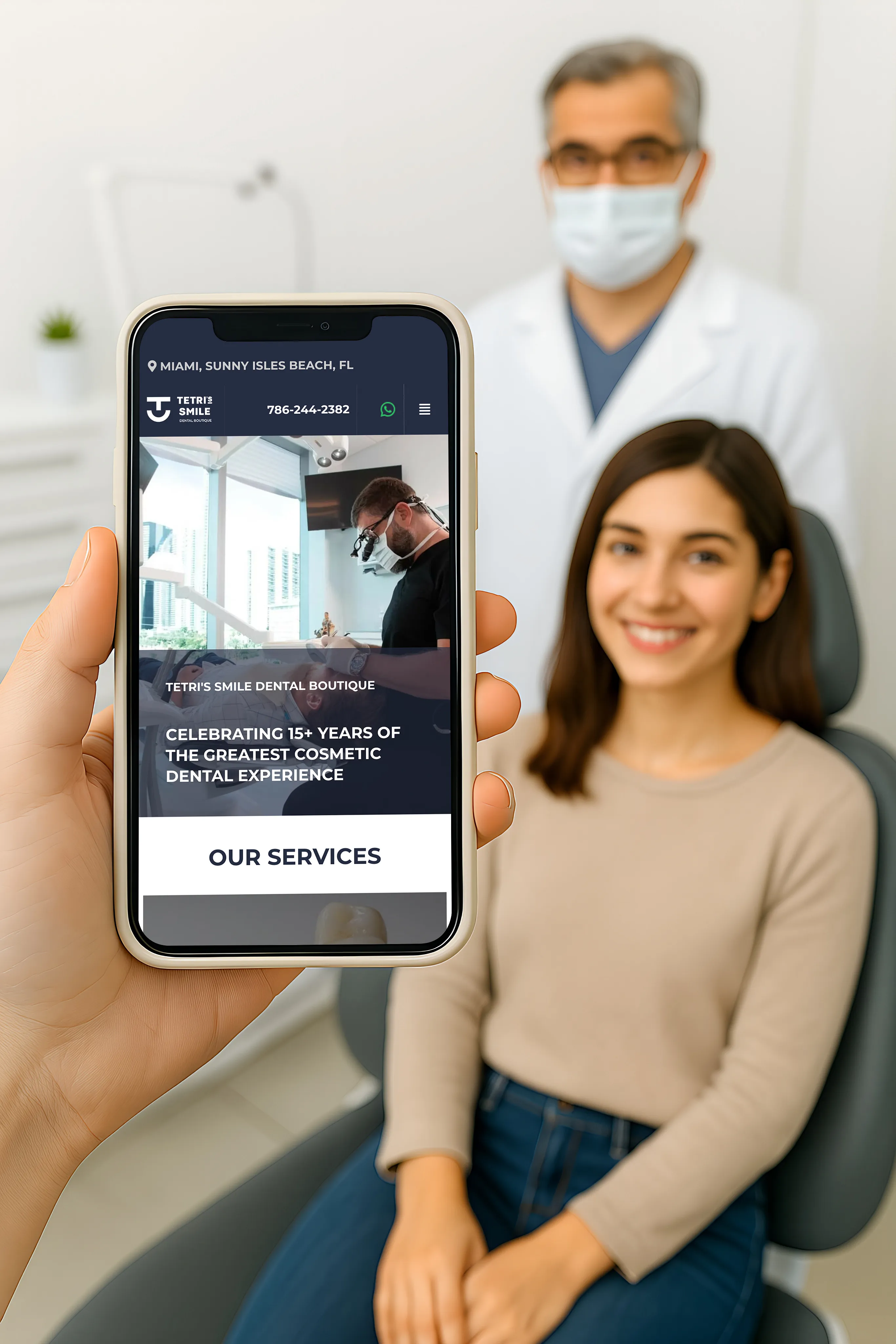
Webdelo recently worked with a brand new dental office in a highly competitive market. We started with a limited budget, and this was one of our first projects in the USA. Read more to learn how we approached this project.
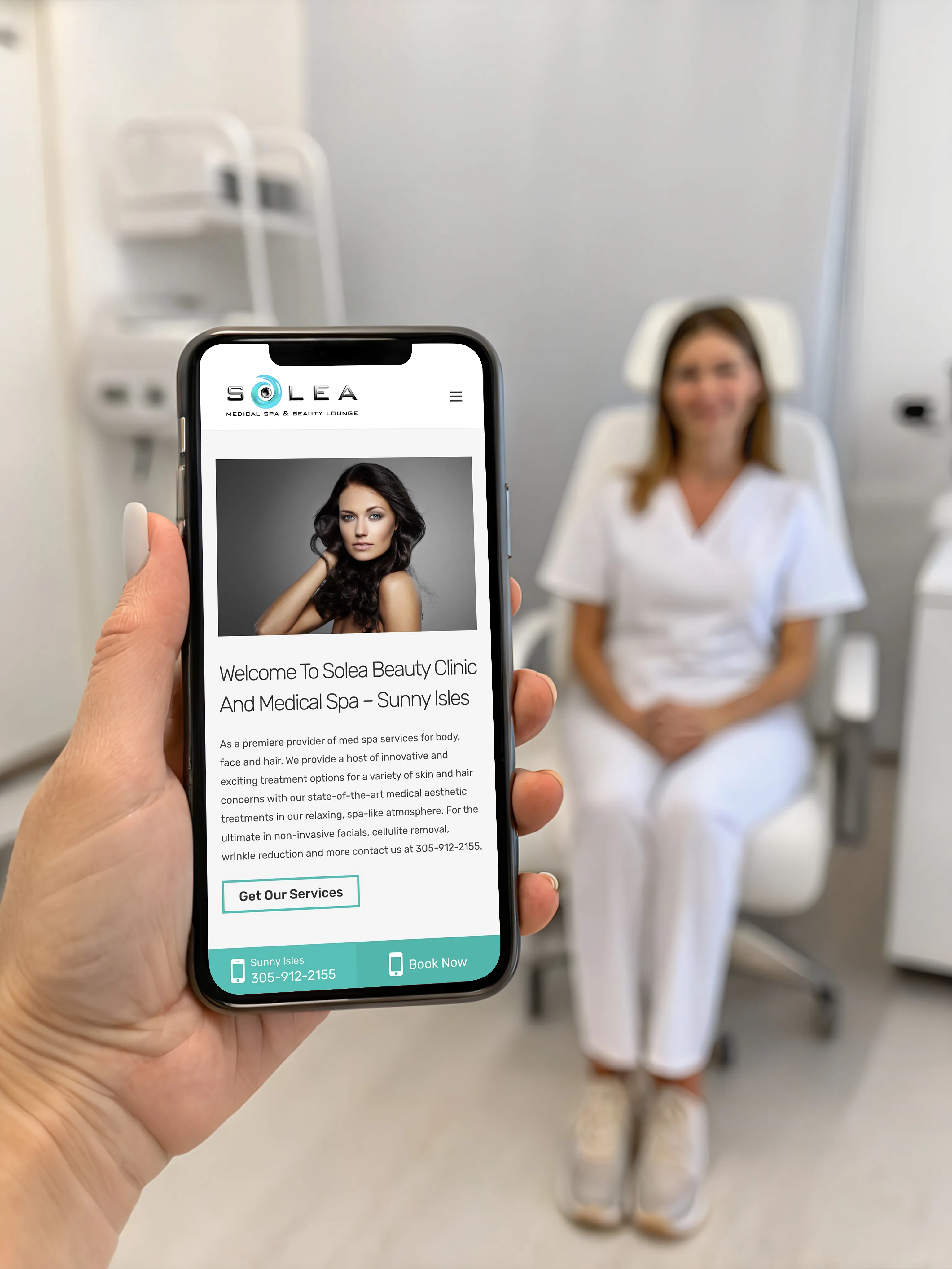
Solea Wellness is a beauty and health salon in Miami offering rejuvenation treatments. The client came to us with the request to increase the website's visibility in search results and attract new customers. The project started with zero rankings, which required a comprehensive approach to promotion and development.

🔹 As a salon in Miami increased applications by 3 times and organic traffic by 250% 🔹 From 0 to 180+ requests in TOP-3: real business growth case

Case study of the development and promotion of an online optical store. Over 10 people worked on this project, creating a catalog with over 10,000 individual items.
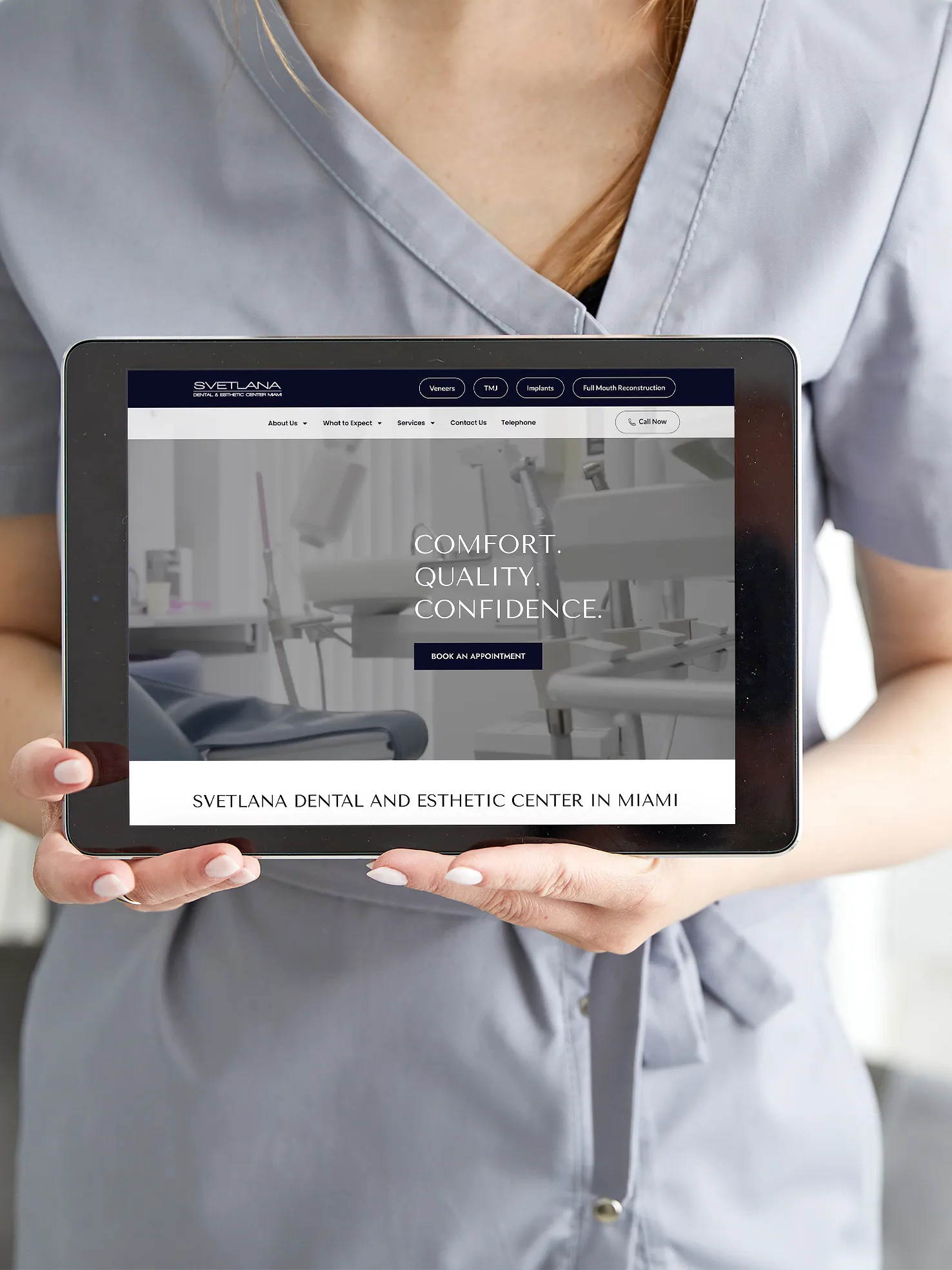
Our case study of Svetlanadental.com explores Webdelo’s work in the promotion and website development of a dental office located in south Florida, USA. This establishment is owned by a doctor with extensive experience in her field, and numerous awards.
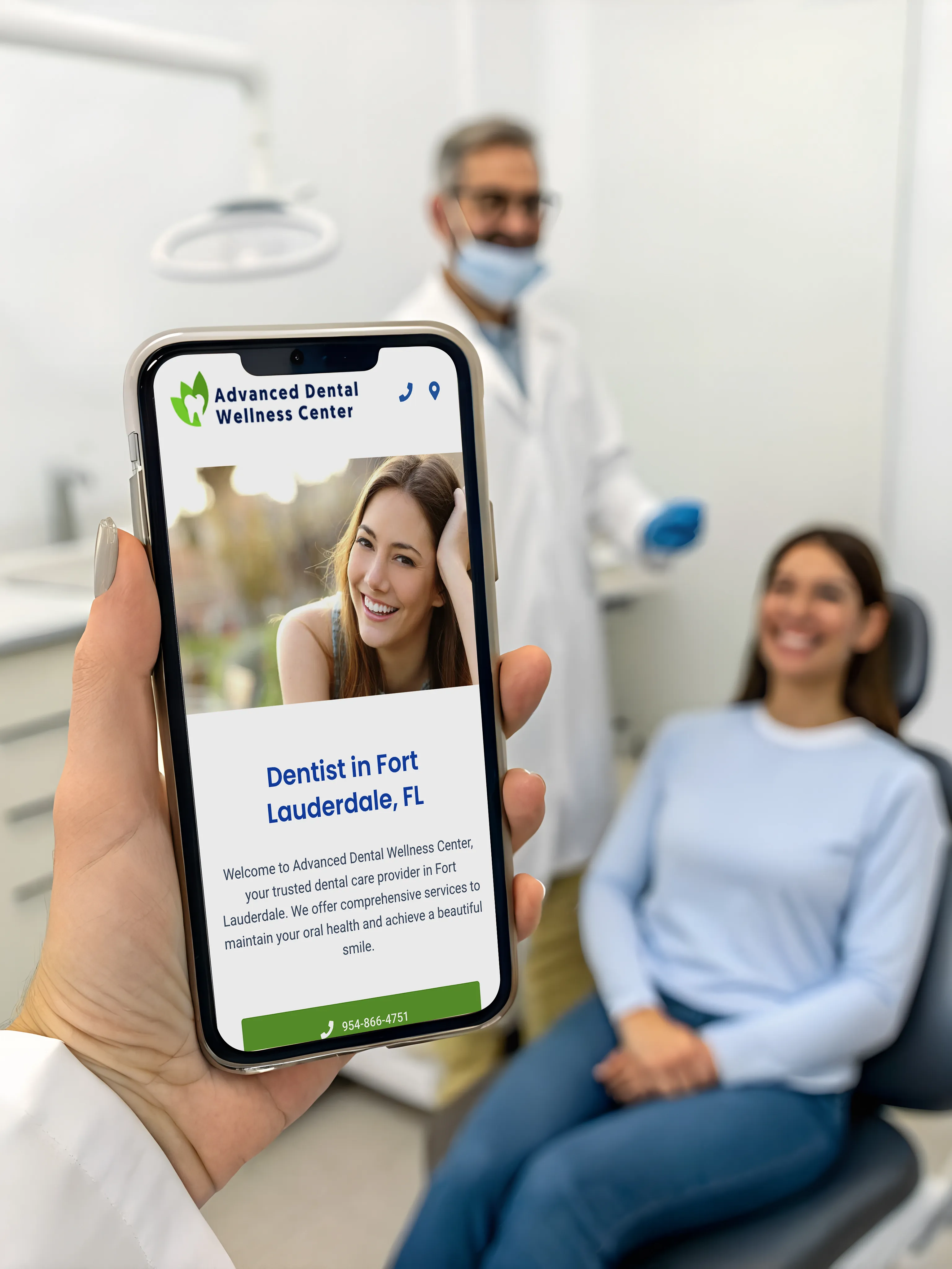
Advanced Dental Wellness Center is a dental office in Miami, Fort Lauderdale. ADW offers holistic dentistry with a unique approach to treatment.

Migrated MyMoneyArt to WordPress, optimized SEO & UX: +500% traffic, 6× more leads.
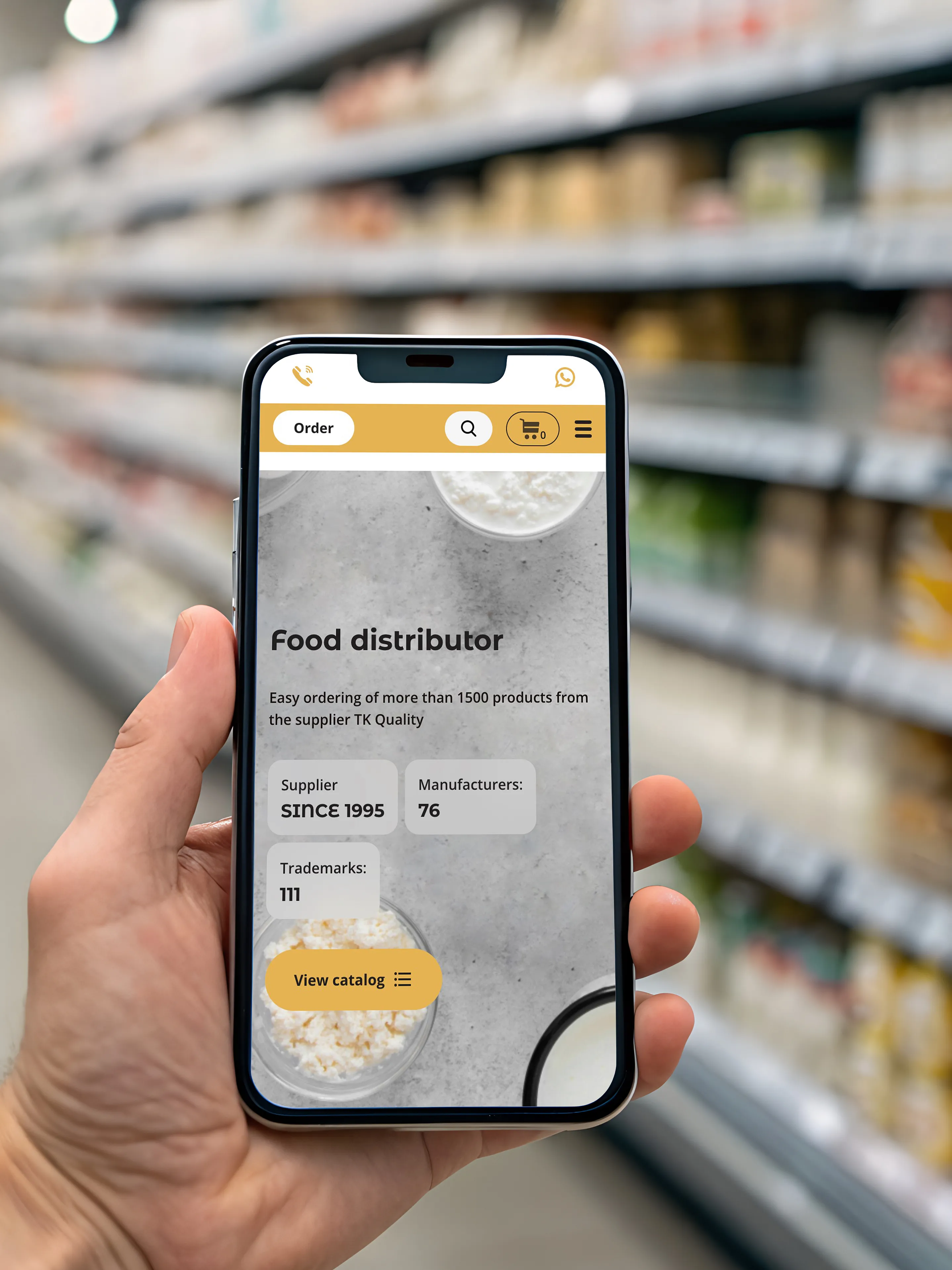
Biomilk is a food distributor in Moscow and the regions. +100% organic traffic in 3 months, 200 keywords in the top 10 of Yandex and Google.
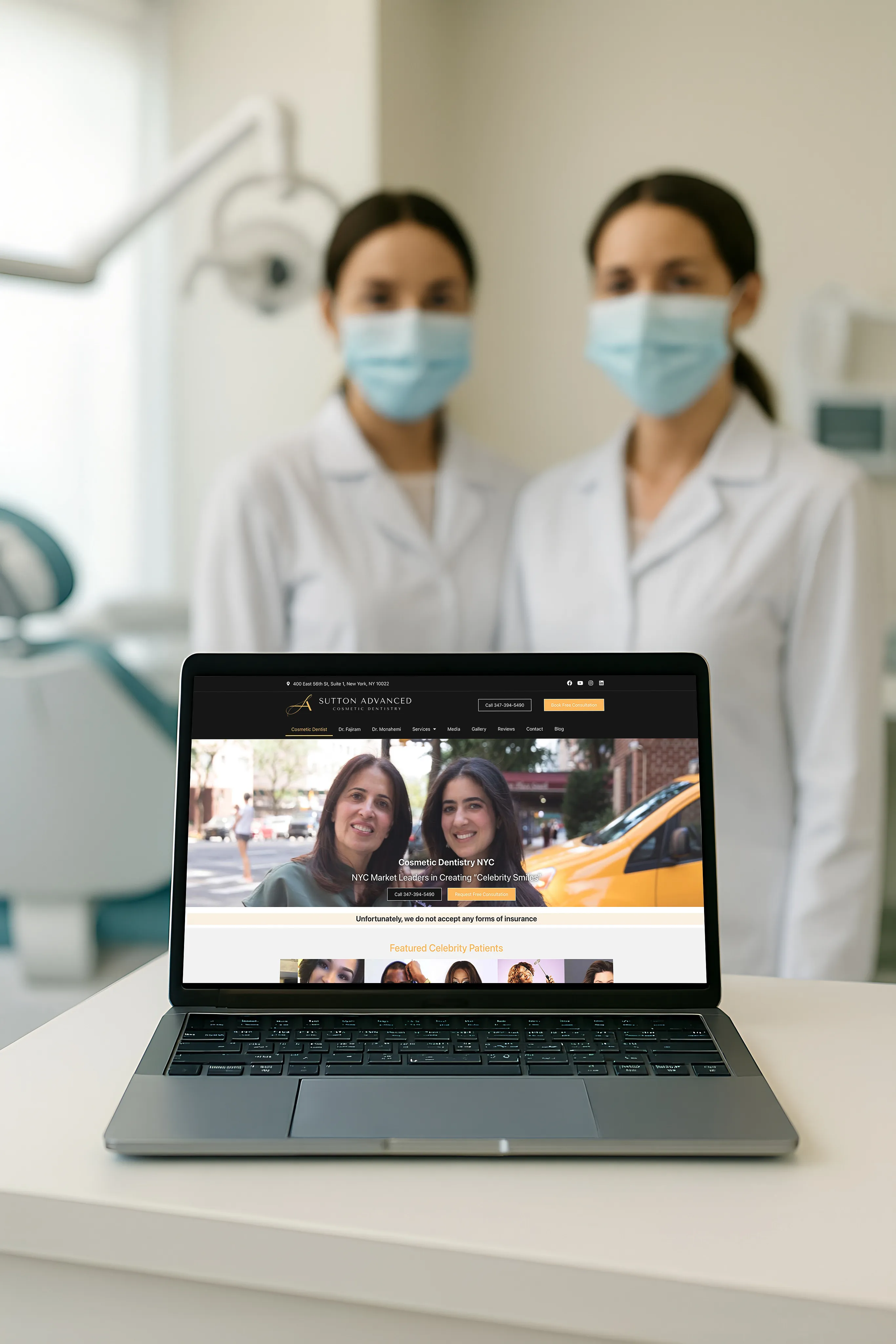
Promotion of VIP Dentistry in Manhattan, New York City From 13 to 80 Queries in Google’s Top 10 in Six Months
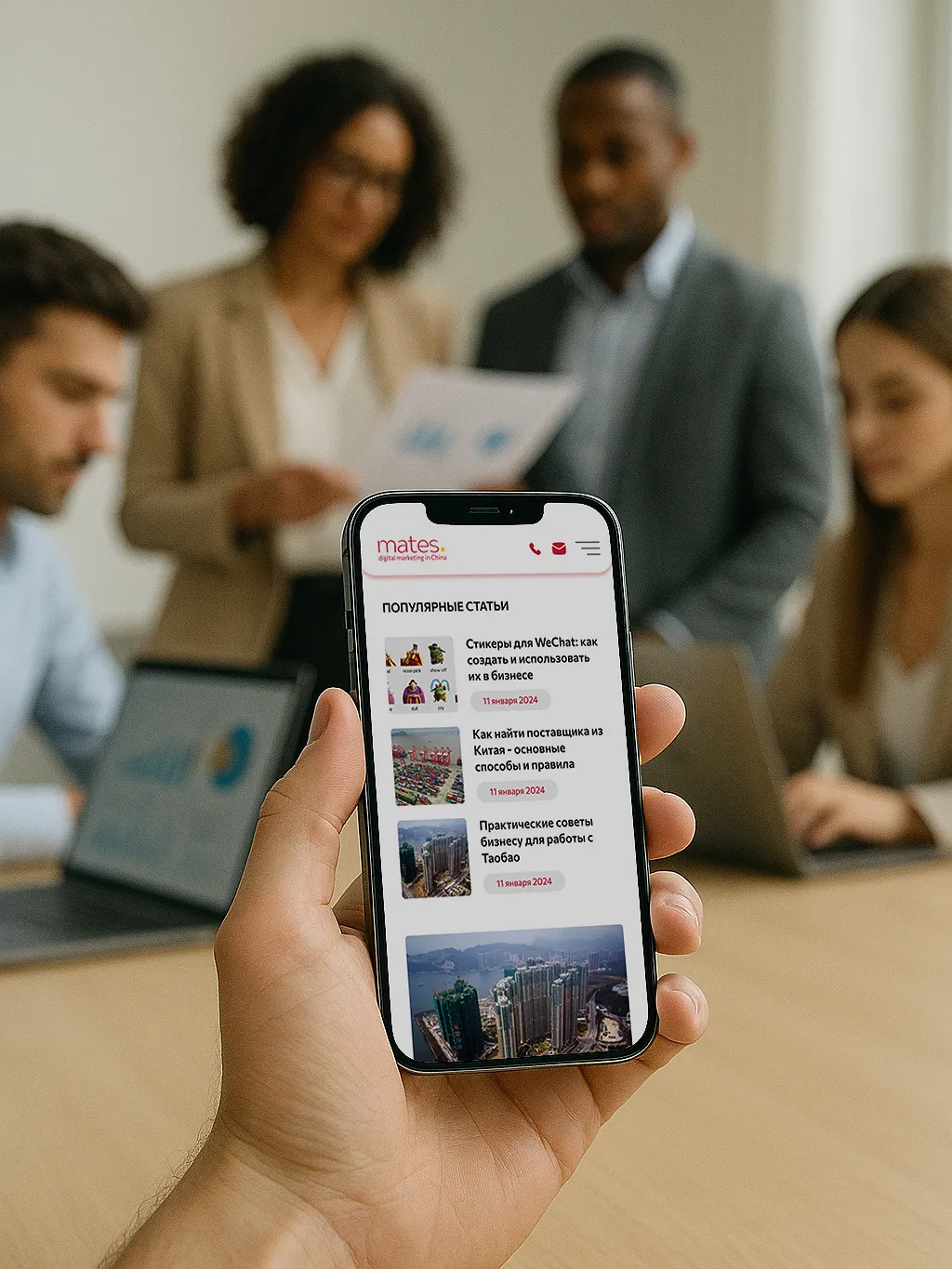
Mates China is a digital marketing agency that helps businesses promote their products in China through local social networks and marketplaces, including: WeChat, Weibo, Baidu, Douyin, LRB, and others. We helped their team increase traffic by 12 times over a period of 7 months.
How We Built a Vacation Rental Service in Bulgaria and Reached 1,500 Seasonal Bookings – From Idea to Full-Scale Product with SEO and Marketing
Online service with automatic price calculation and +40% orders right after launch.
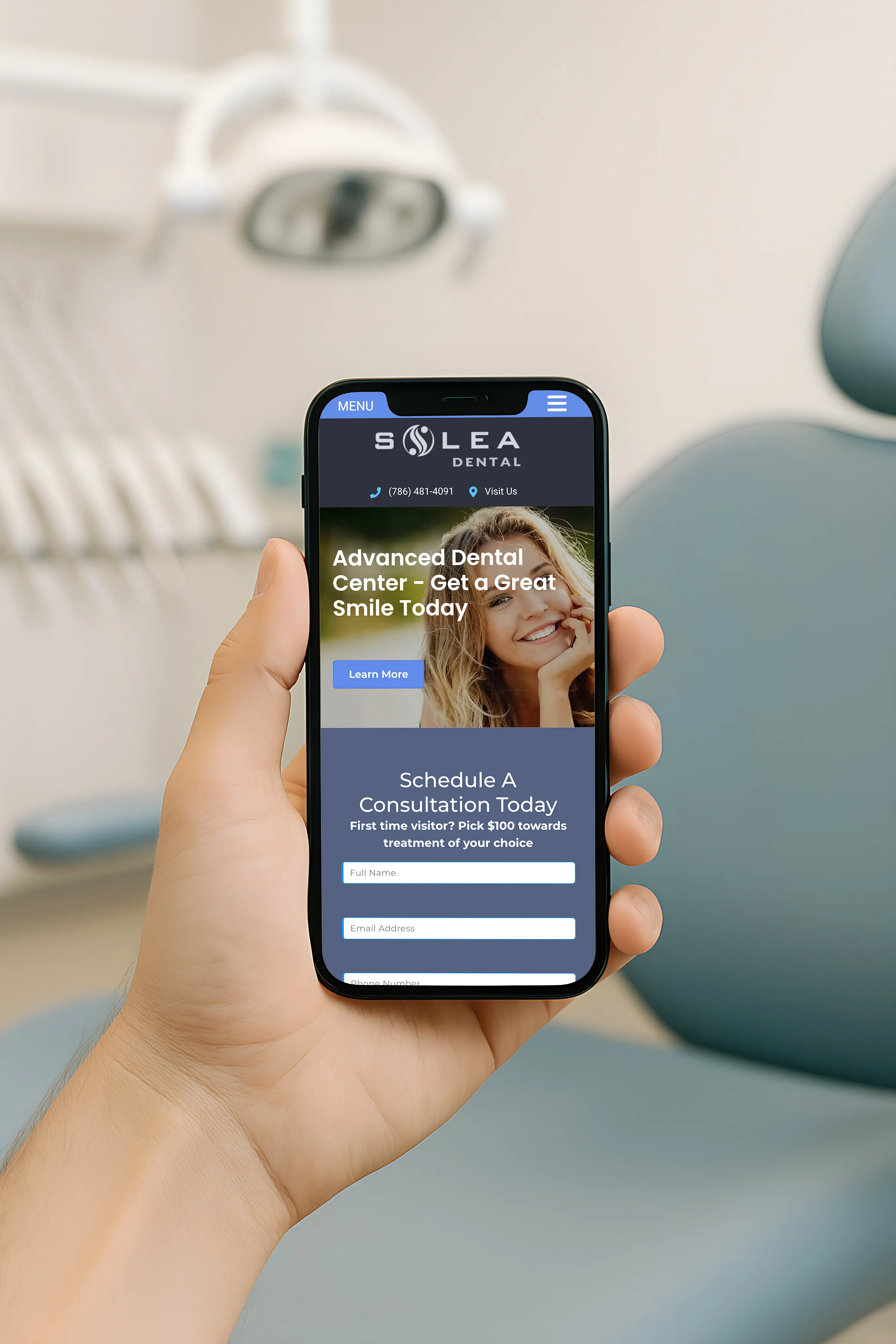
A dental clinic located in Sunny Isles Beach tripled its number of patient inquiries through search engine traffic and digital marketing. We started promoting the website from scratch, right after the clinic launched.

Explore our SEO approach — from analysis and audits to content, links, and ads. See how we drive businesses to the top of search results.
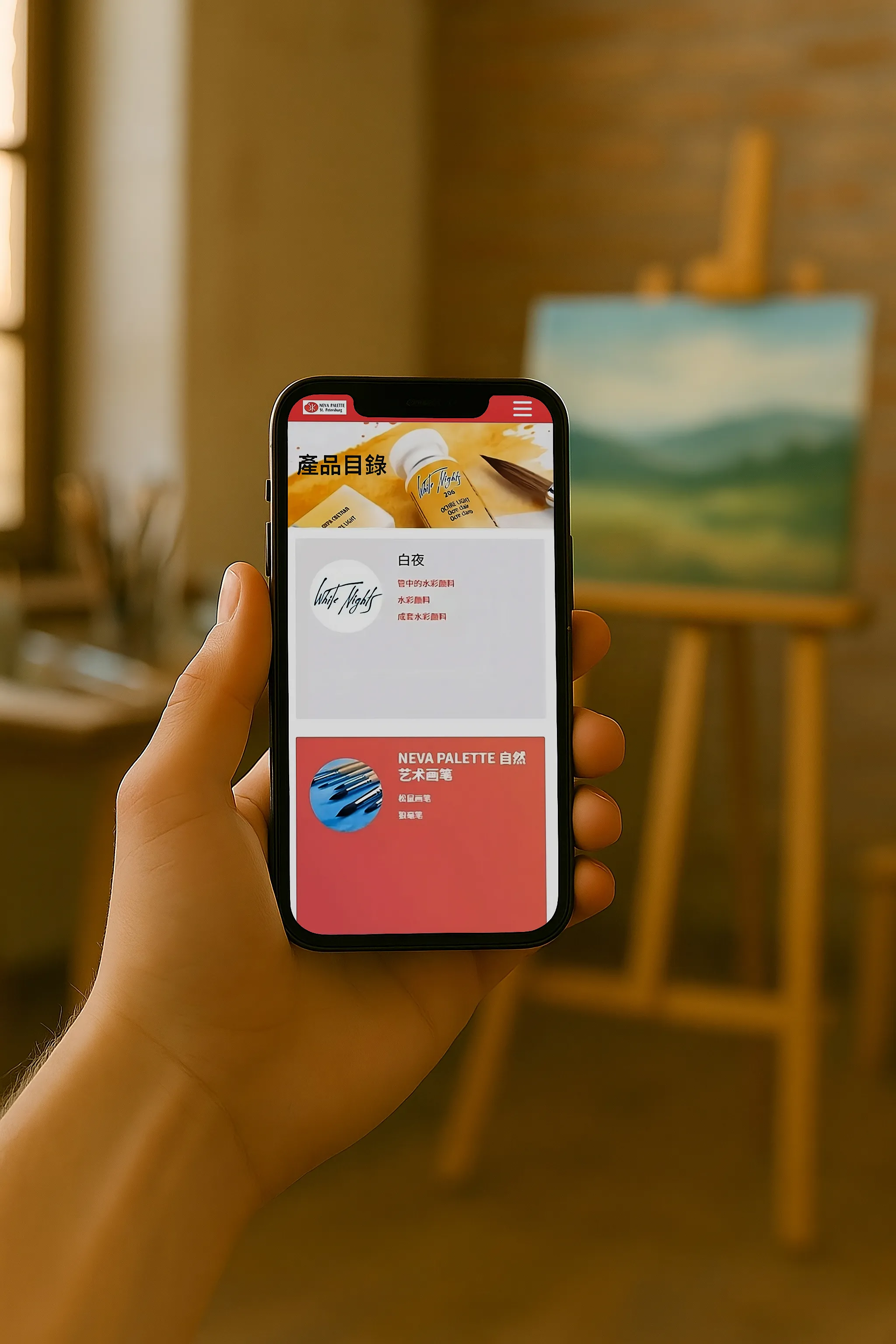
We built Nevapallete.cn for China: Hong Kong hosting, Chinese domain, fast loading across regions, and a timely launch.
A wine catalog with 2000+ bottles, smart filters, and selection by volume and vintage. Seamless UX and internal linking for better SEO.

Comprehensive SEO for Annazur beauty salon in Florida: traffic growth, local rankings, site optimization, and increased service bookings.
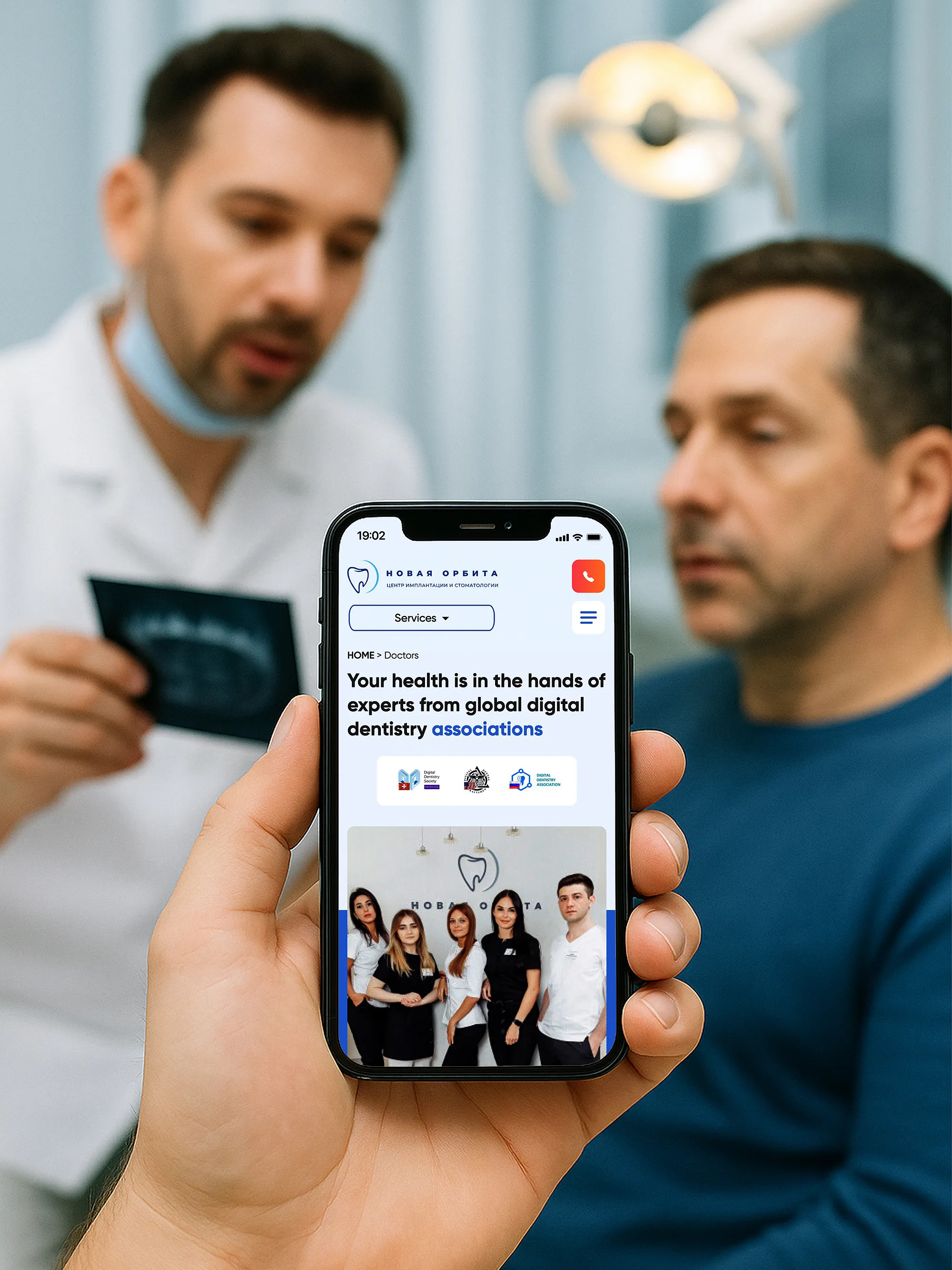
Dental clinic SEO case: 50-80 target calls/month, top search rankings, and traffic growth since Feb 2023 from content and tech improvements.
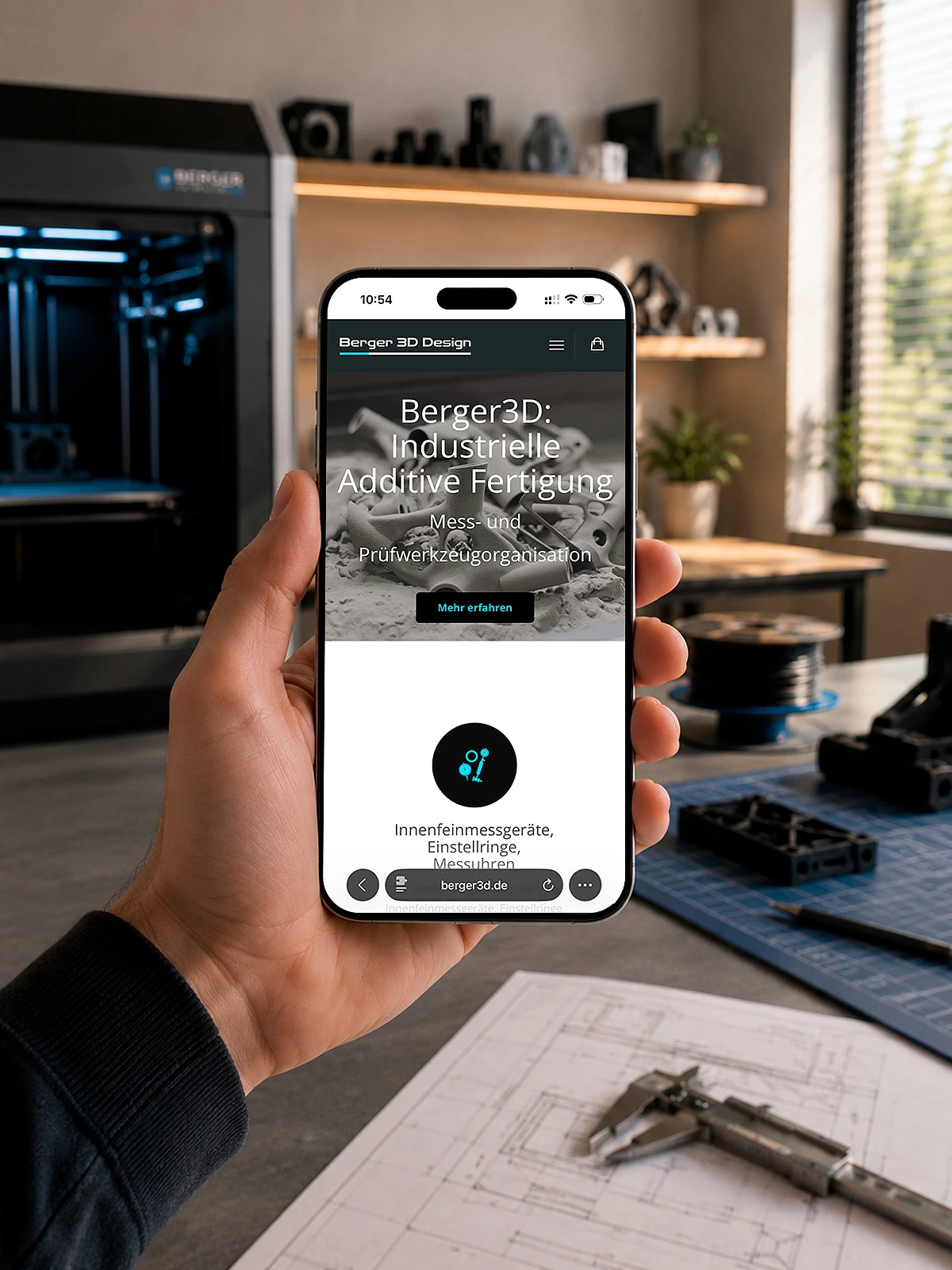
WordPress showcase website with catalog for German B2B- storage systems for measuring equipment. User-friendly catalog, shipping calculation, VAT validation.
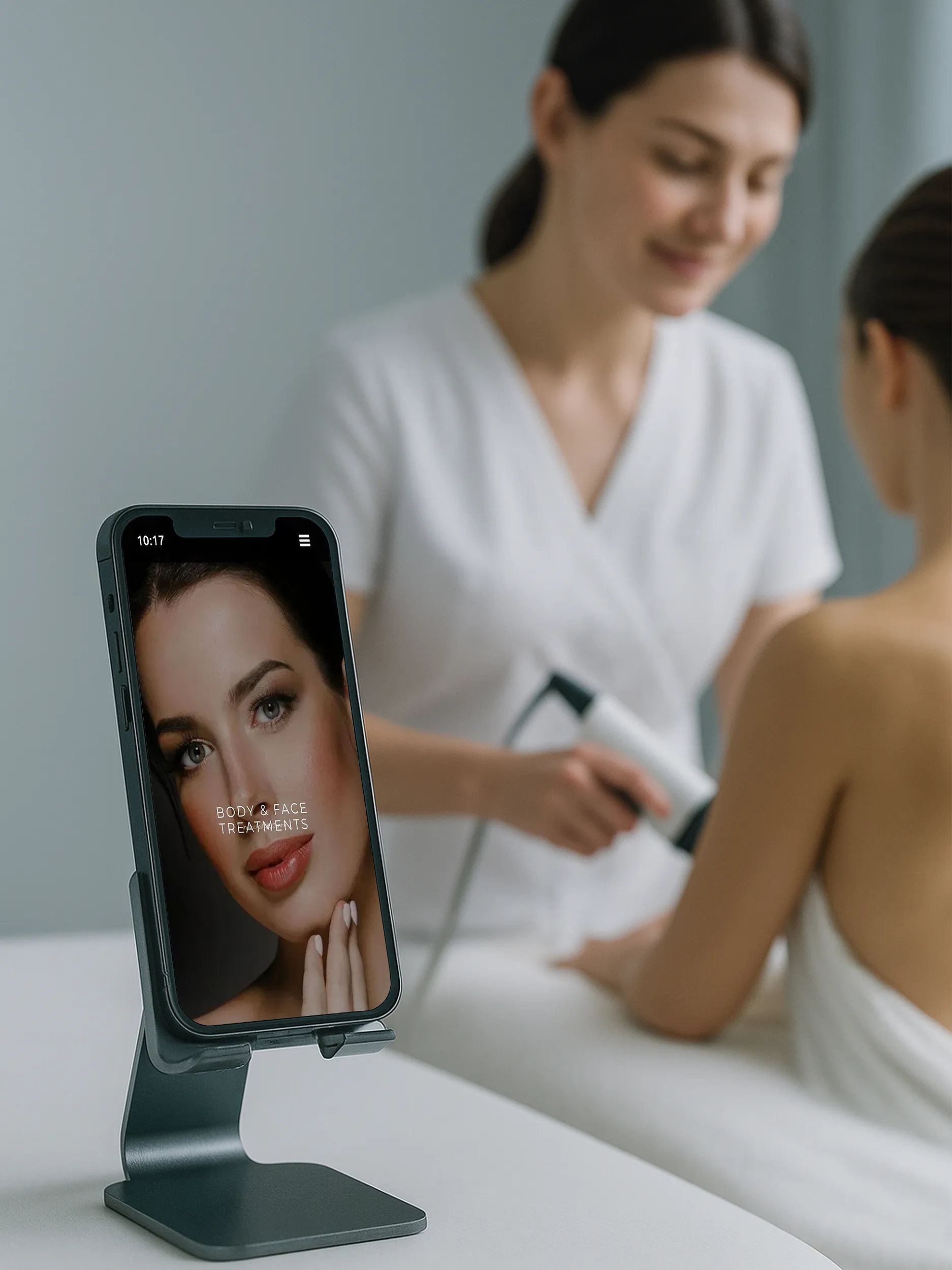
Do you want your website to do more than just exist? Most likely; you want to bring real people to your website and attract customers to your business. At Webdelo, we know how to make that happen. The SoleaBrickellSpa case study is clear proof of our expertise and effective approach.


Discover how Webdelo helped a dental clinic with a small, one-page website double its local patient traffic.

Reducing Load and Increasing Transaction Reliability

How We Boosted Performance and Reduced System Load for Inquiries in Russian
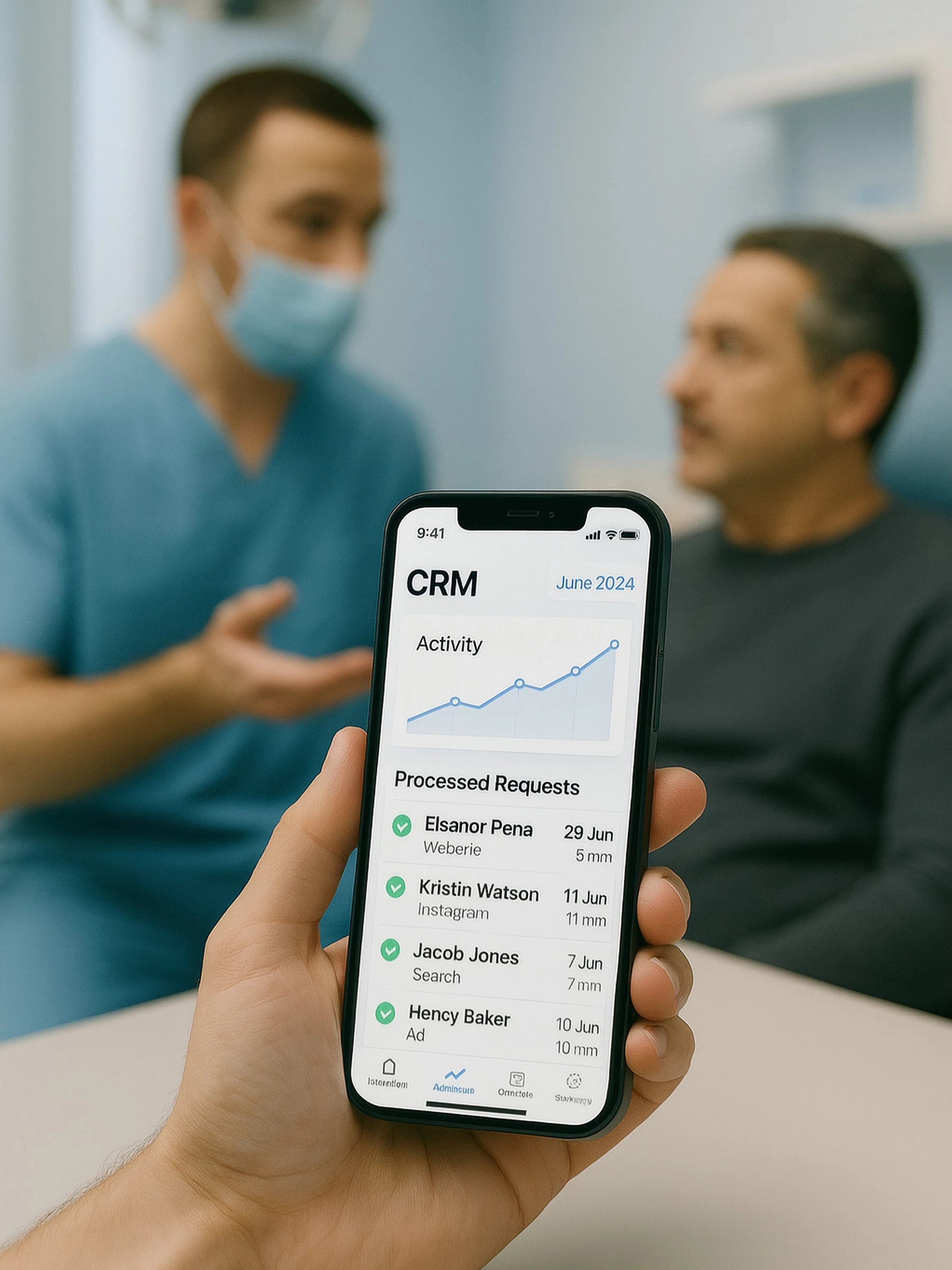
Digital marketing for dental clinics: SEO, Google Maps, and targeted ads. Over 15 years of experience—50,000+ views and 4,860 leads monthly. Grow your clinic with Webdelo!
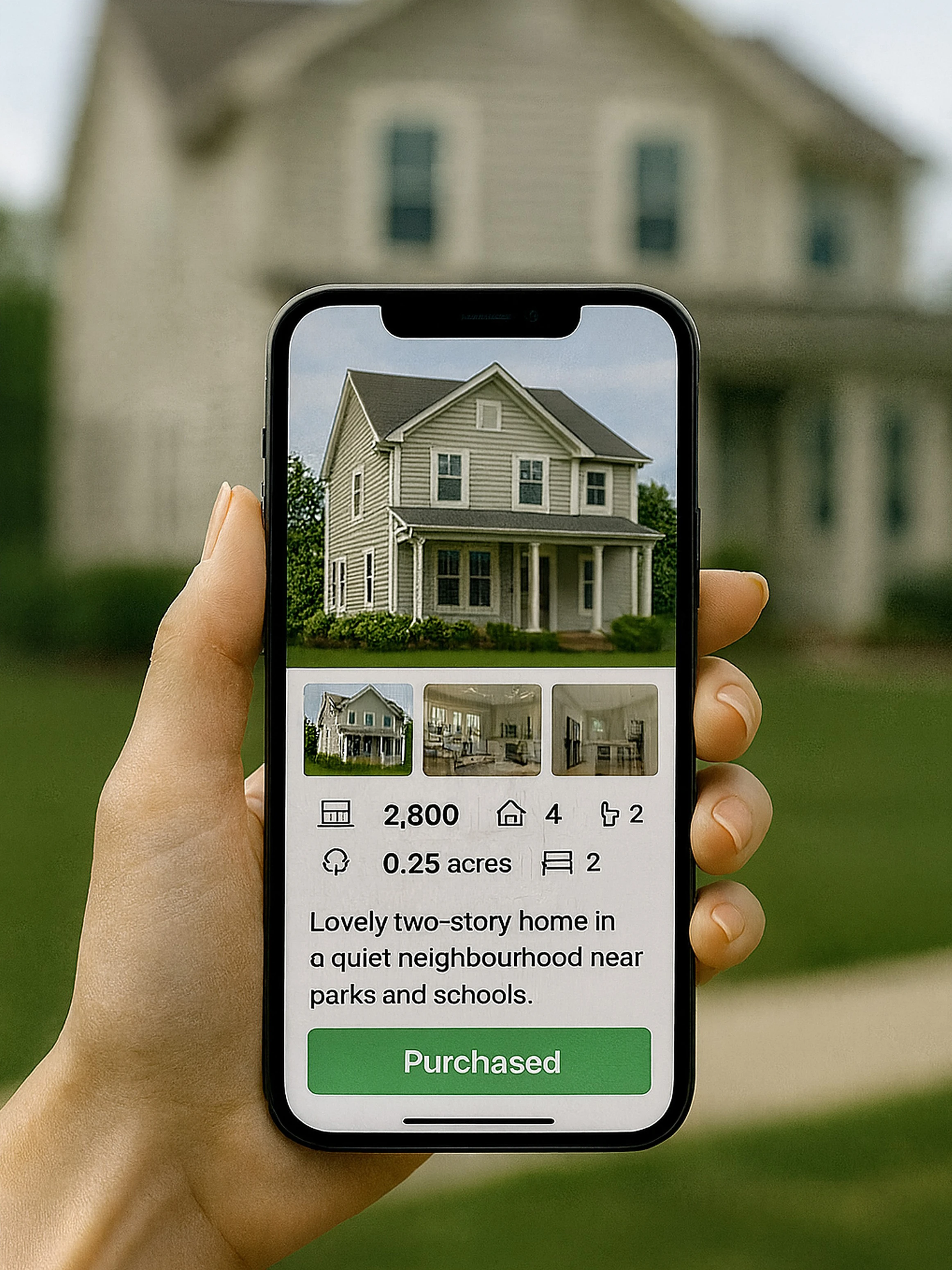
10 years of niche experience, 7 major projects in Russia and Europe. Comprehensive SEO: from catalog architecture to daily sales and rental leads.

Discover how we moved 5 business locations from Excel to a unified system.

Refinement and development of the educational portal.

We transformed the dental supply store with a faster platform, real-time city-based inventory, and automated key operations. Since launch, traffic has quadrupled, returns have decreased, and the business is now positioned to scale confidently.

Discover How We Reduced Overloaded Queries from 16,685 to 24 in 1.5 Hours

Full-cycle development: from detailed technical planning and API architecture to launch and support. Transparent sprints and modern technologies for implementing complex ideas.
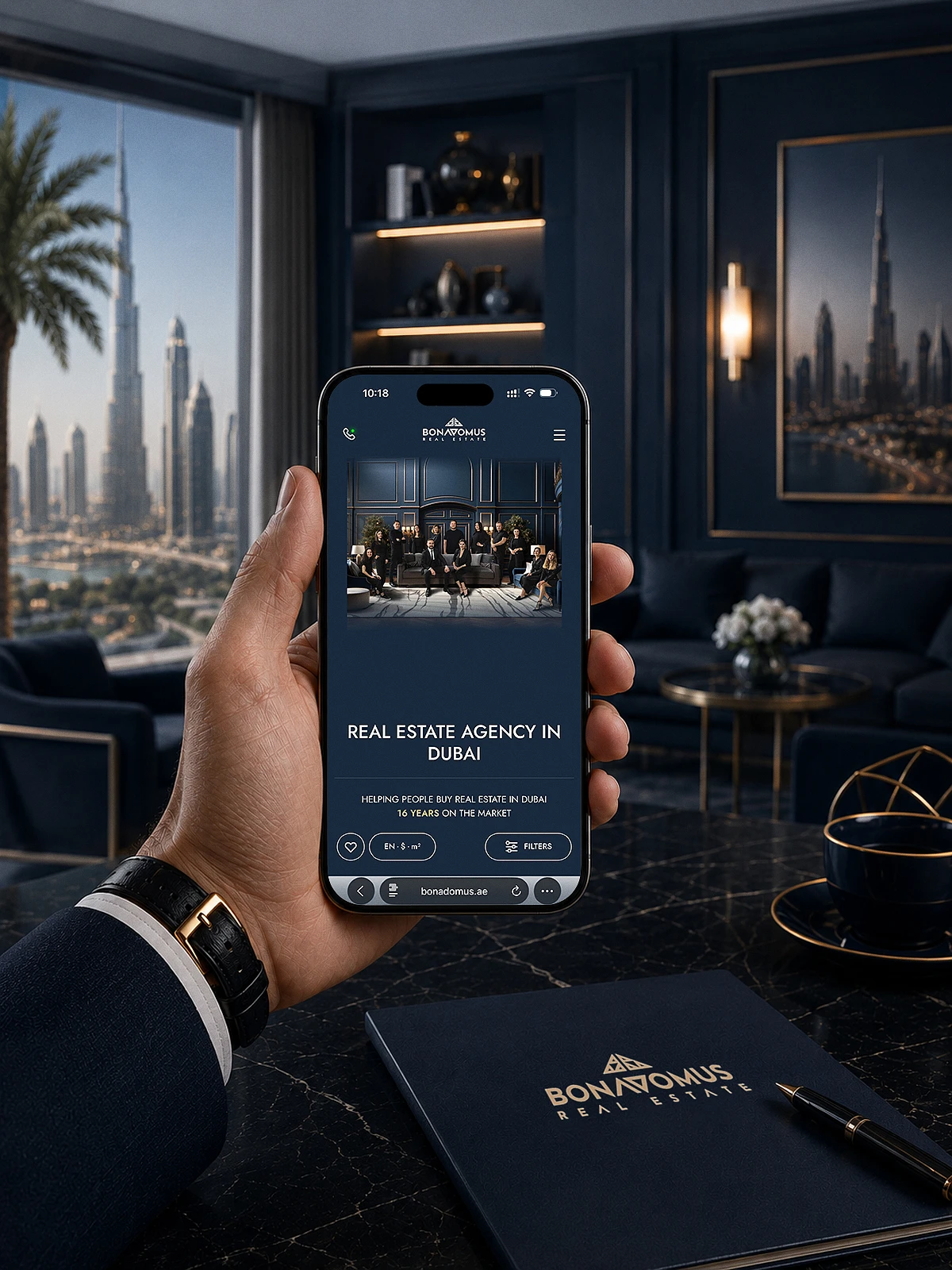
BONADOMUS is a purpose-built digital platform for Dubai real estate. Created from the ground up as a standalone product, it gives an international audience a multilingual property catalog that can grow across markets, currencies, and content types.
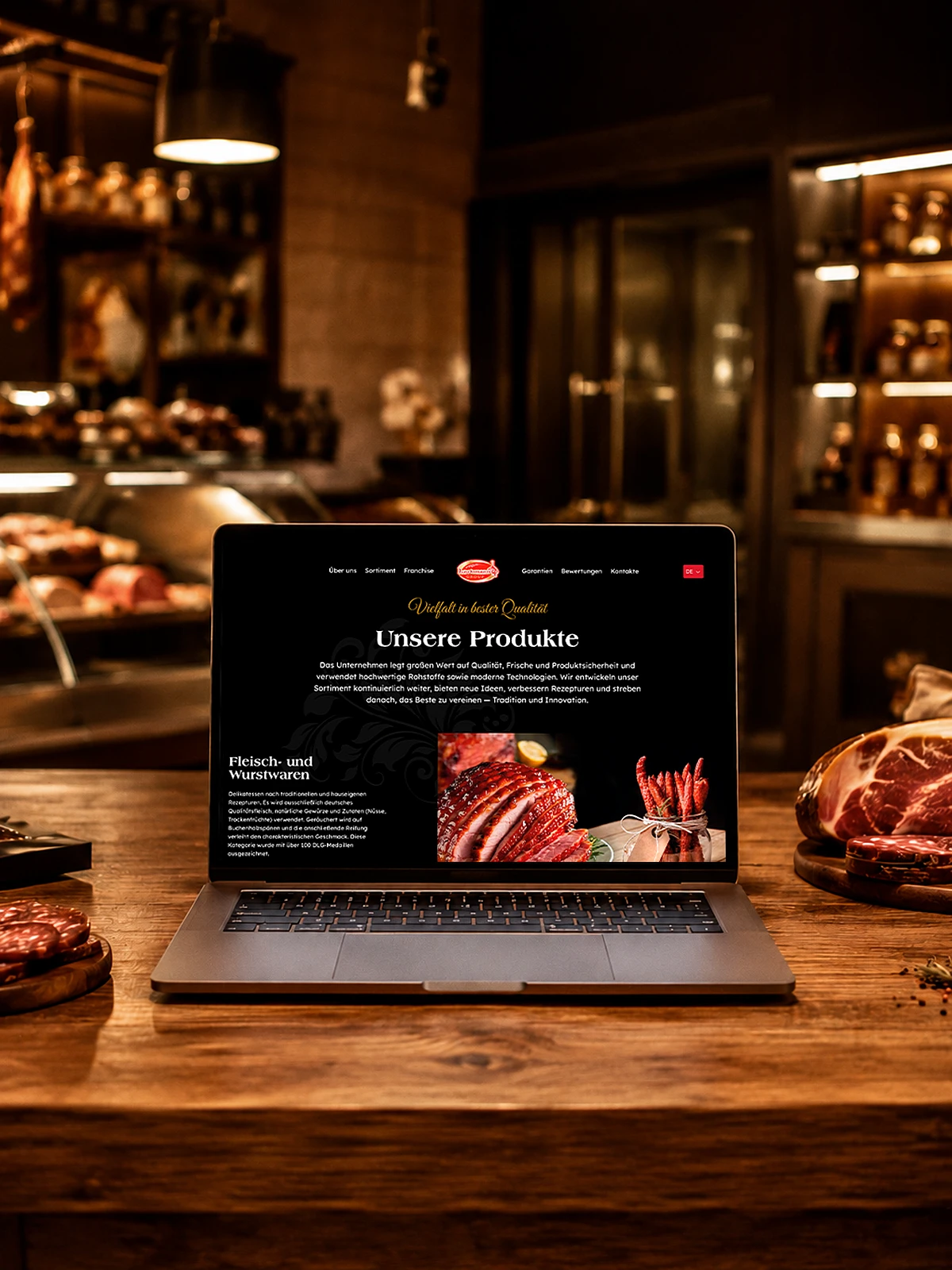
Development of a multilingual landing page for the Lackmann Fleisch- und Feinkostfabrik GmbH franchise in Germany

For a company of thirty people, an internal ERP gives HR and finance back two to four full working days every month — an estimate taken from the volume of manual work before and after. Disputed amounts are visible in the draft, before the payout rather than after it. The calculation rules live in the system, so the HR manager's vacation or departure no longer stops the month from being closed.
