


Bonadomus
Bonadomus Real Estate
Introduction
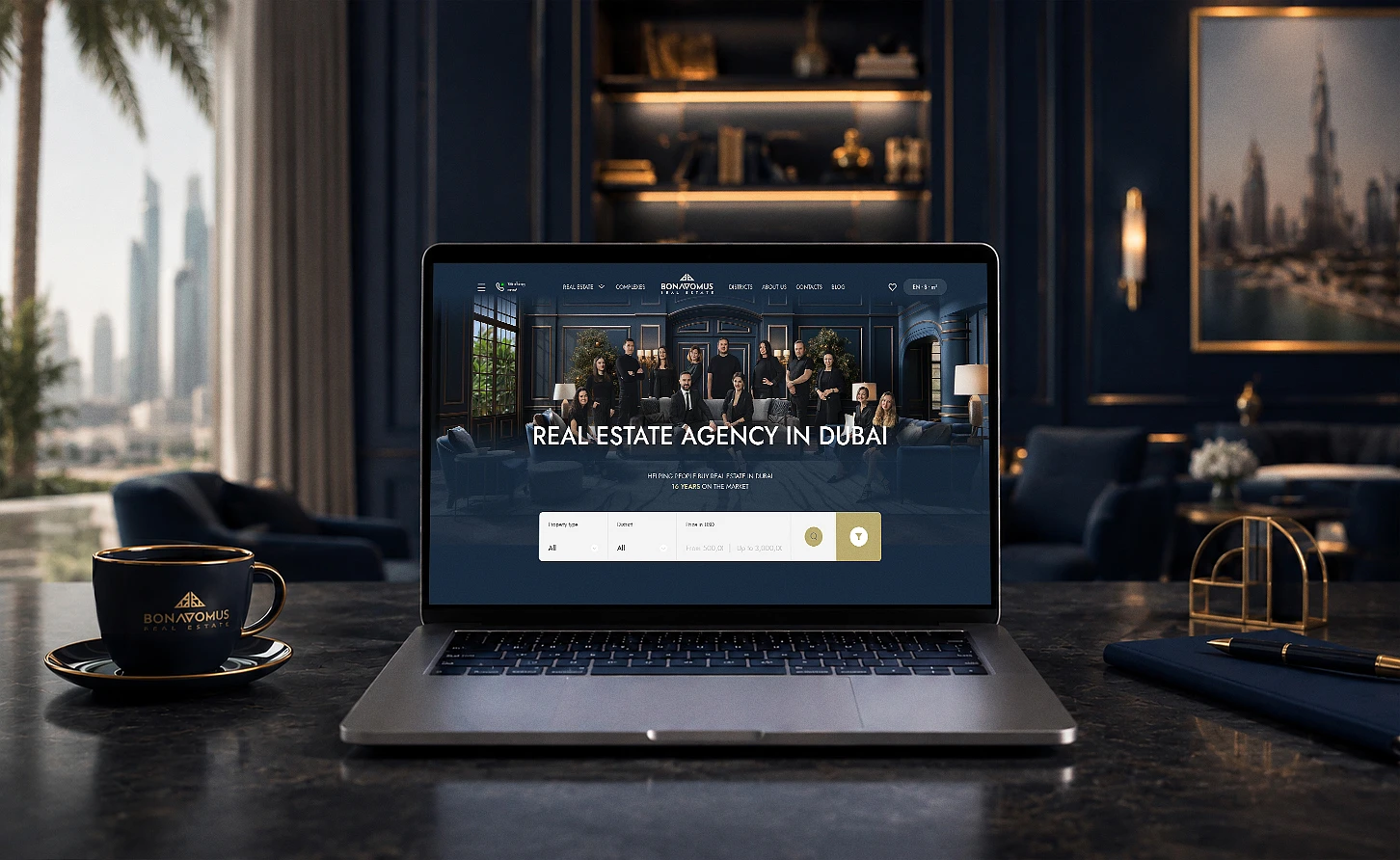
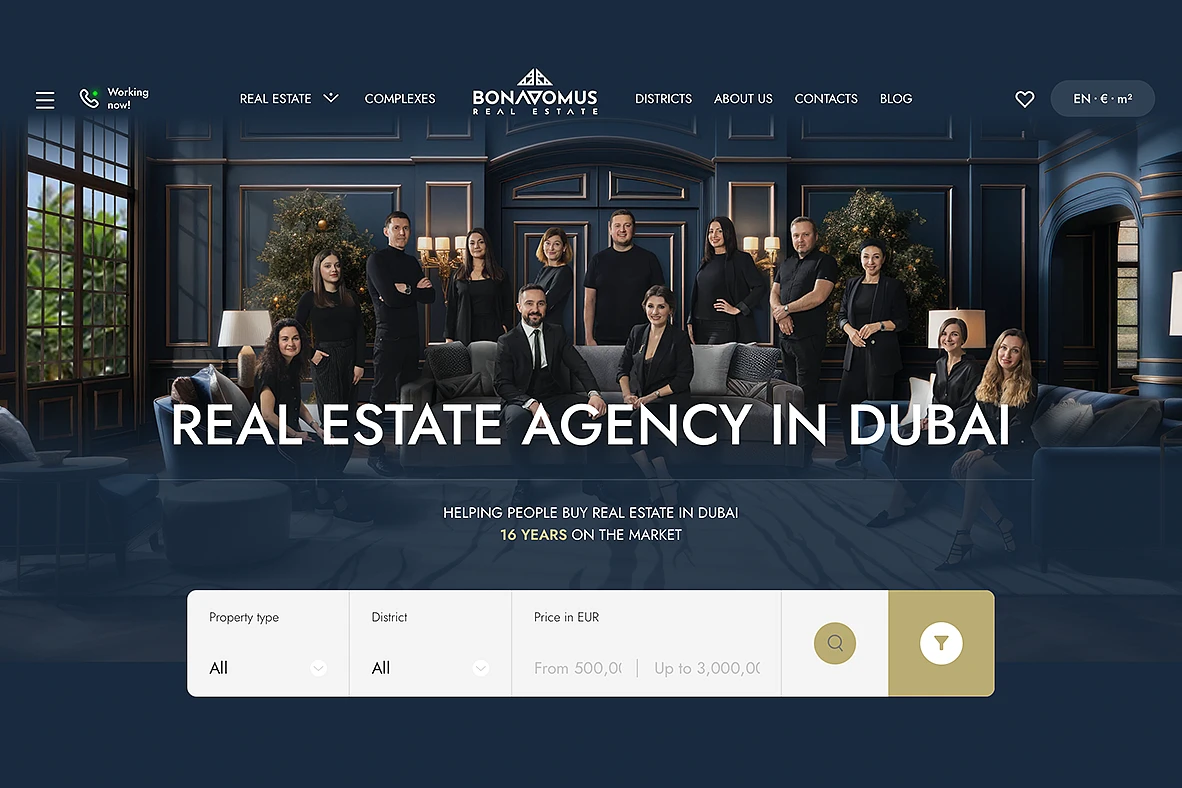
The platform brings new developments, individual units, resale properties, and neighborhood guides into one browsing experience. Visitors can explore listings in their preferred language and currency, while the client team manages the catalog through an editorial workflow built for frequent publishing.
The brief called for more than a polished property showcase. BONADOMUS had to accommodate a sophisticated catalog, attract both organic and paid traffic, turn that traffic into inquiries, and remain straightforward for the client team to update.
For developers, real estate agencies, and product teams entering international markets, the project shows how discovery, content operations, search visibility, and inquiry generation can be planned as one product from the outset.
Project Context
The client came to the project with an established business and extensive real estate experience. Dubai, however, places specific demands on the digital journey: property imagery needs to lead, neighborhood navigation must feel intuitive, and essential information has to be easy to find.
Because we have worked with the client for more than 13 years, the project began with a detailed understanding of its processes, audience, and product requirements. BONADOMUS built on that shared experience and gave the business a platform designed around the way its team actually works.
Task and Objectives
That context shaped the primary task: design and launch a versatile real estate platform that could grow with the client’s property inventory and content library.
The MVP focused on four priorities:
- Present new developments and individual property listings within a unified catalog.
- Create neighborhood pages that improve navigation and give search engines a clear content structure.
- Provide secure, convenient tools for managing a large volume of content.
- Display content and prices in multiple languages and currencies.
Together, these priorities defined a standalone product that can expand into new markets without forcing the team to rebuild its catalog or publishing process.
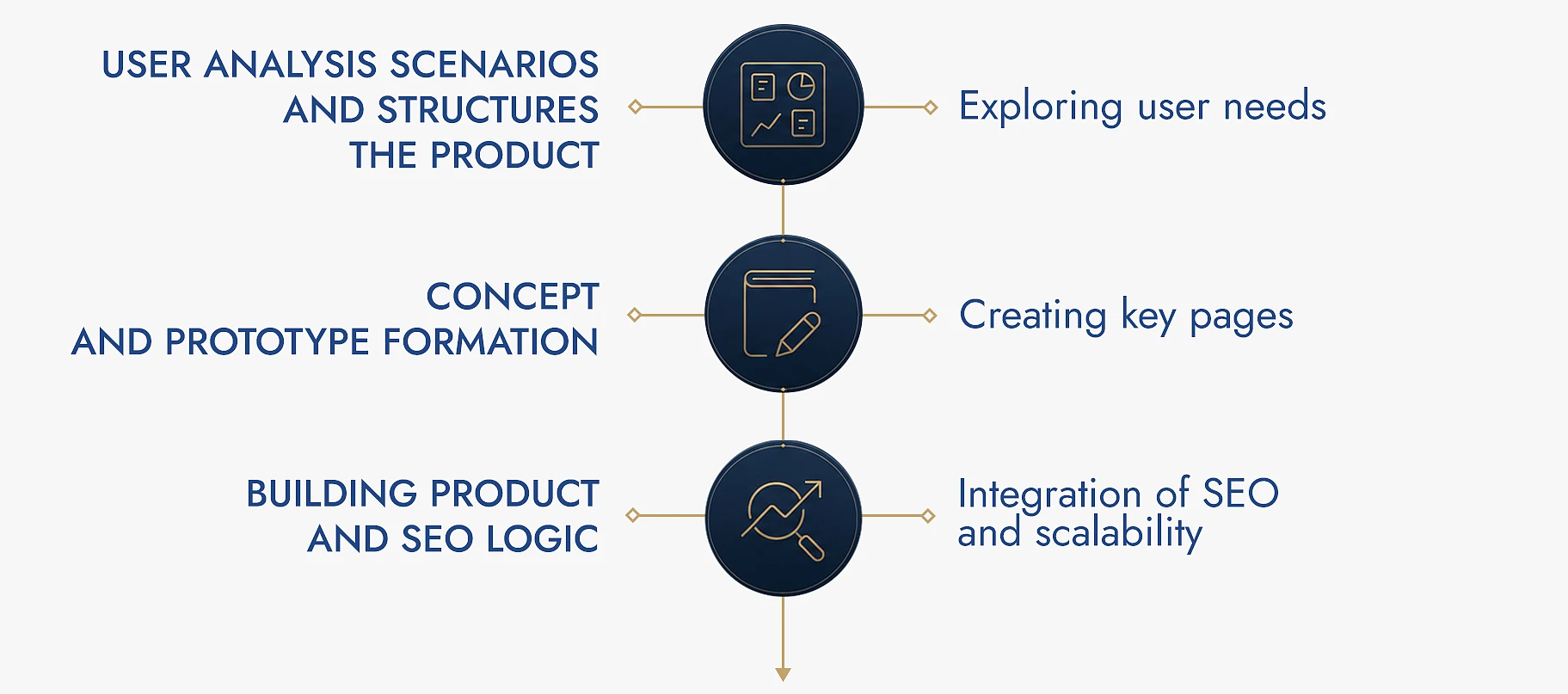
Work on BONADOMUS began with an analysis of user journeys and the planned product structure. We studied how people search for real estate in Dubai, which criteria matter most to them, and when they are likely to submit an inquiry. That research informed concepts and prototypes for the catalog, development pages, neighborhood pages, and filters. It also shaped the platform’s content model, internal links, and search architecture early enough to avoid retrofitting them after launch. The result was a purpose-built catalog rather than a generic template.
Design
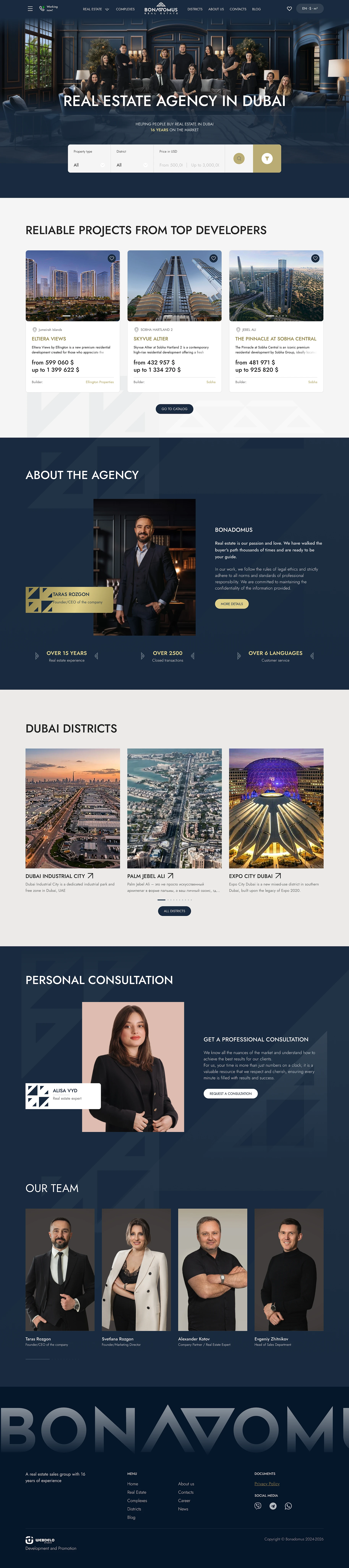
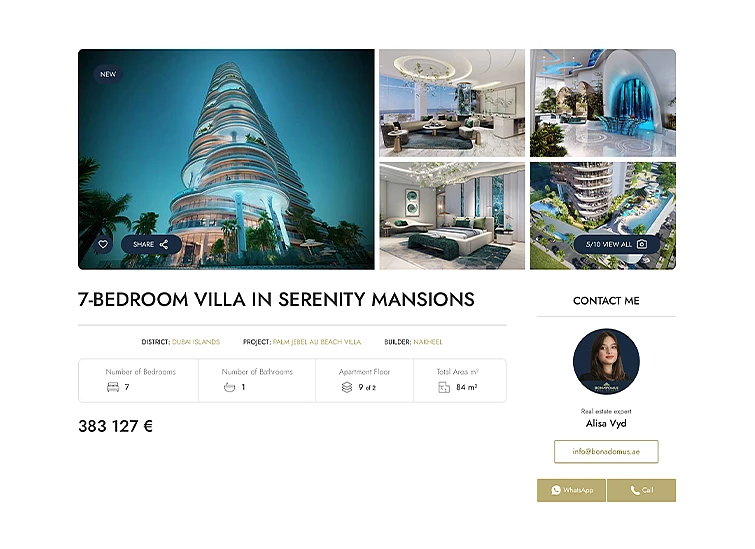
A large inventory can quickly overwhelm a visitor, so the design gives each property room to breathe while keeping comparisons easy. A clean visual grid puts listing photos, key details, and price first across new developments, individual units, and resale properties.
To keep that experience consistent as the catalog grows, the design uses:
- A modular listing-card grid.
- Shared interface patterns for new developments and resale properties.
- Strong visual emphasis on images and essential property details.
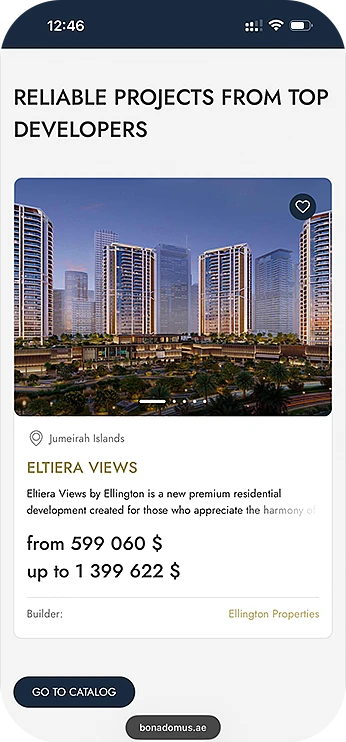
- Responsive components designed for mobile use.
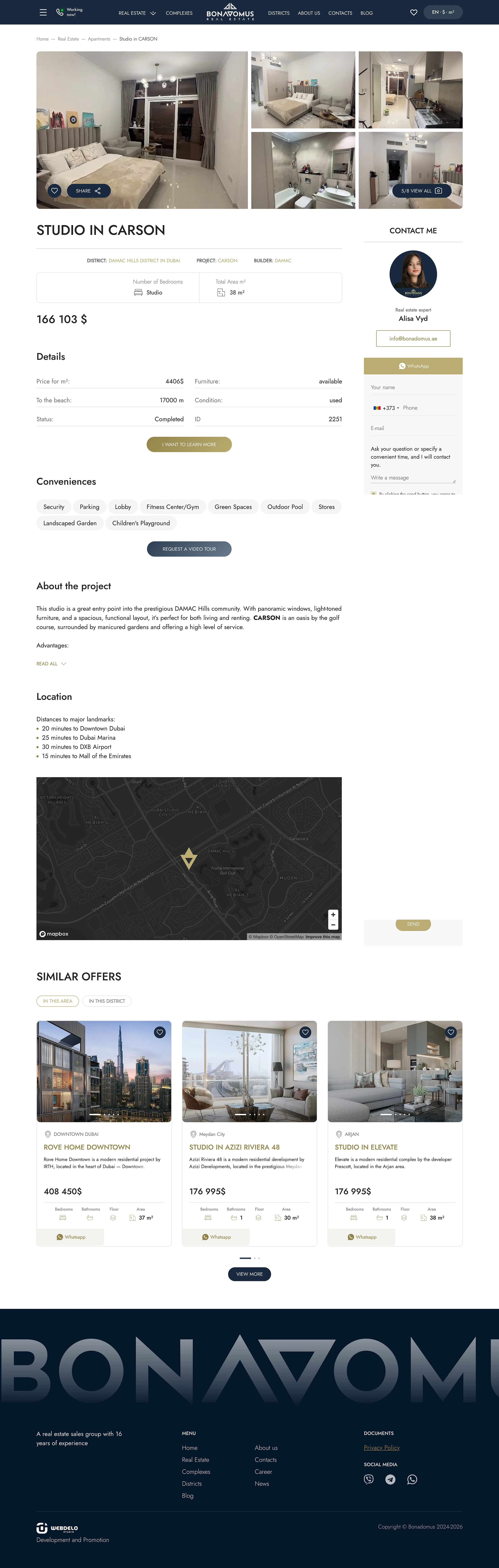
Listing detail pages and neighborhood pages work together to move visitors from area research to property selection, with enough structure to compare options along the way. Contact forms appear at natural decision points instead of competing with the listings for attention. The result is a shorter path from browsing to inquiry and an interface that remains manageable as inventory expands.








Development and Functionality
The MVP delivered a working platform built around two connected systems: a property catalog for visitors and a content management system for the client team. On the public side, visitors can browse listings, apply filters based on common search criteria, and move directly to an inquiry form.
Neighborhood pages connect the catalog and content strategy. Each page acts as an area guide, a navigation hub, and an entry point to relevant developments. Visitors can learn about local amenities before comparing properties, while the linked page structure gives search engines a coherent path through the site.
Behind the scenes, a role-based editorial workflow assigns clear responsibilities to authors, editors, and moderators. The team can publish and maintain content without relying on developers for routine updates, creating a repeatable process with built-in quality control.
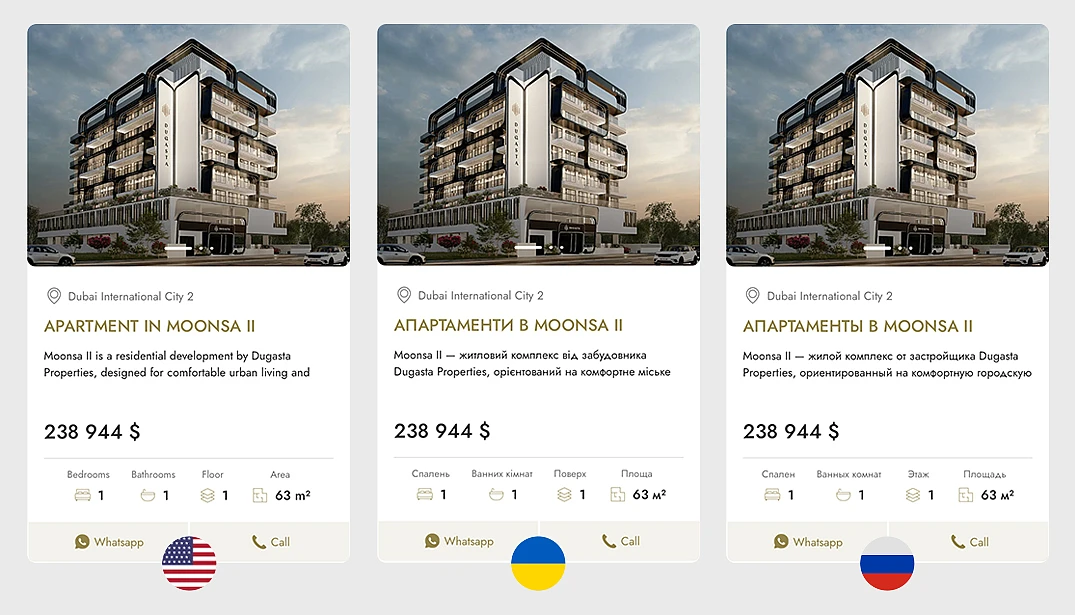
Language Targeting
Dubai’s real estate audience speaks many languages, so localization is part of the core experience rather than an add-on. When visitors choose a language, both the interface and the content switch to the corresponding version. They can navigate the catalog and review property details without moving between languages, which makes the experience clearer and more credible.
Supported languages:
- English;
- Russian;
- Ukrainian.
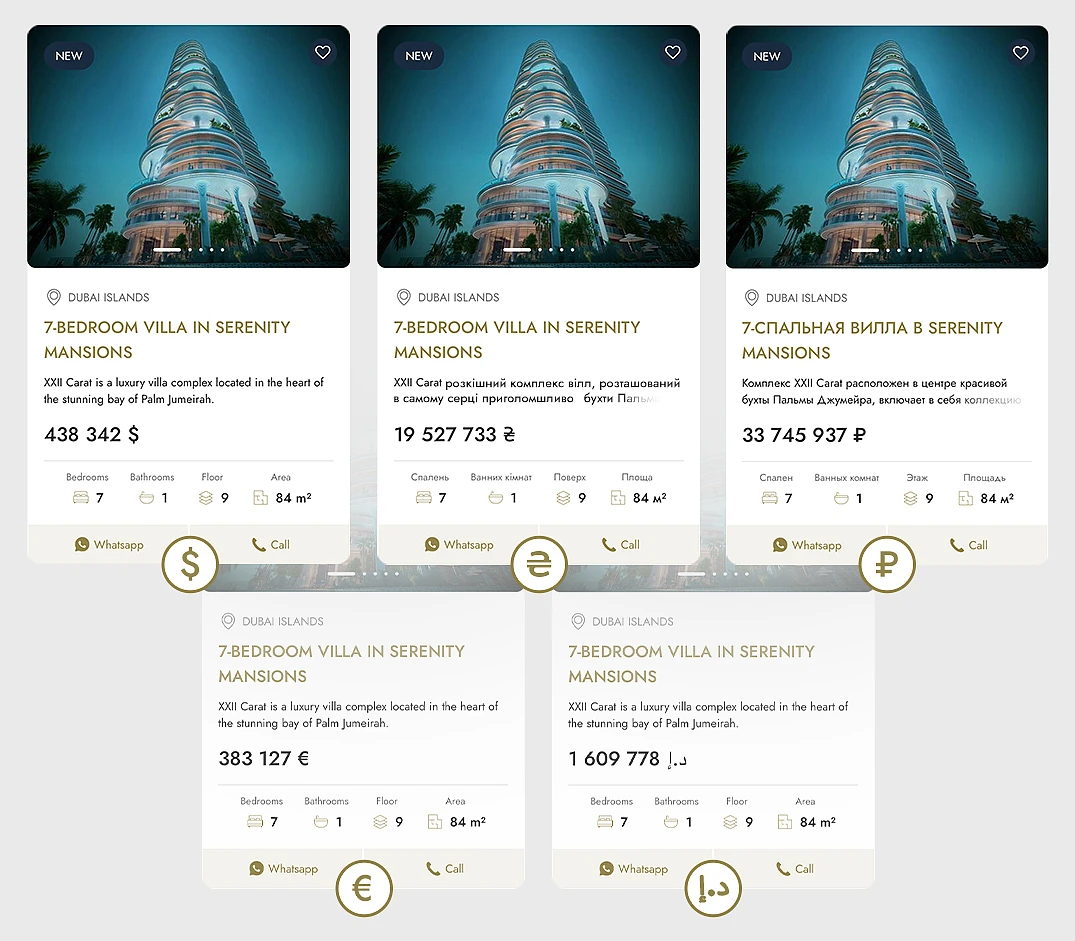
Multiple Currencies
Price context matters just as much as language. Visitors can choose a familiar currency, and the platform converts property prices using the latest rates supplied by the connected exchange-rate service.
Supported currencies:
- US dollars (USD);
- Euros (EUR);
- Ukrainian hryvnias (UAH)
- UAE dirhams (AED);
- Russian rubles (RUB).
Integrations
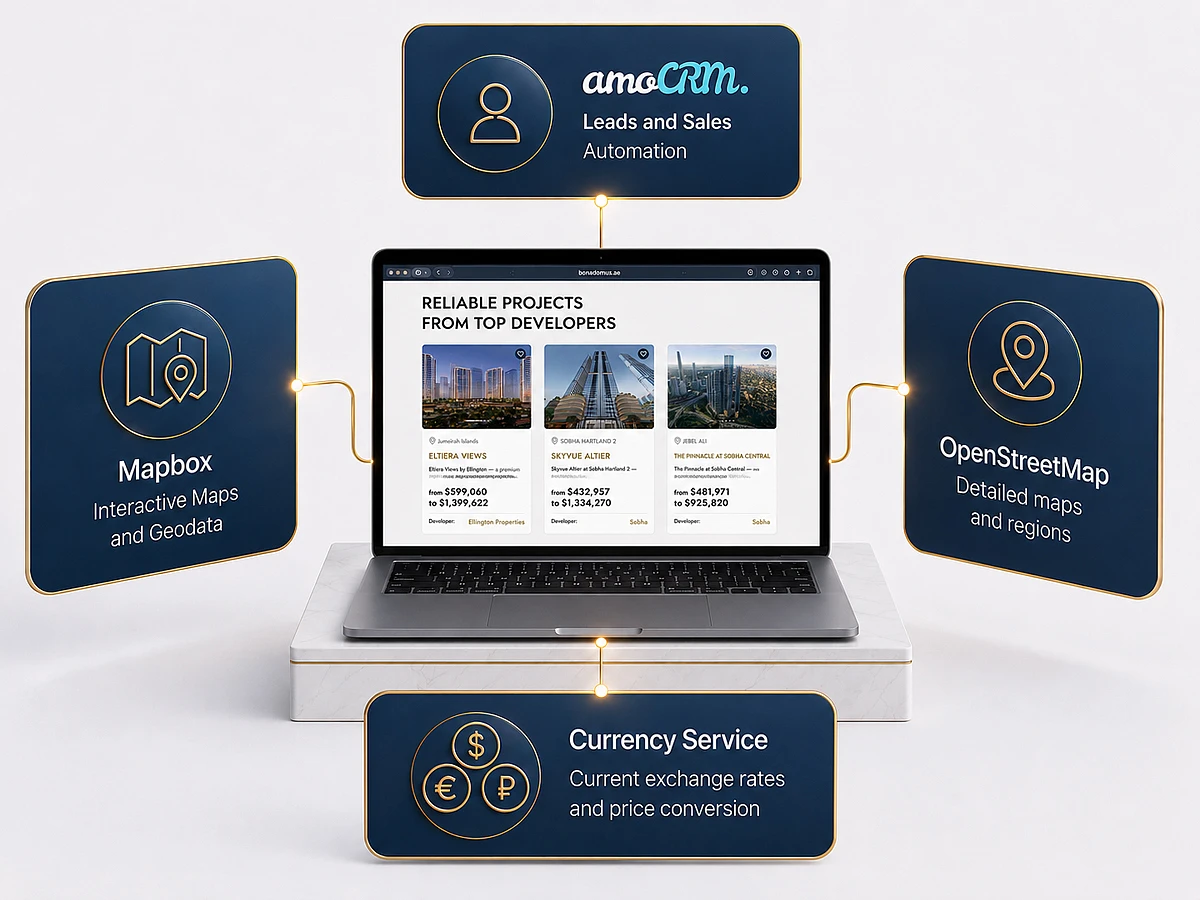
The customer experience is connected to the client’s day-to-day operations through integrations for lead management, mapping, location data, and currency conversion.
The project includes integrations with:
- amoCRM: Automatically sends inquiries from the catalog, listing pages, and neighborhood pages to the CRM, together with the inquiry context
- Mapbox and OpenStreetMap: Provide maps for properties and neighborhoods.
- Google currency-rate service: Supplies current rates for converting prices into the supported currencies.
Because these services sit behind a common integration layer, the product can accommodate new connections as its catalog, traffic, and feature set grow. Routine expansion does not require the team to rework the customer-facing experience.
Spam Filtering
To keep incoming lead data usable, the inquiry forms filter automated and bulk submissions. Basic validation checks both data quality and behavioral signals before a submission enters the workflow.
Tools for Scaling Content and SEO
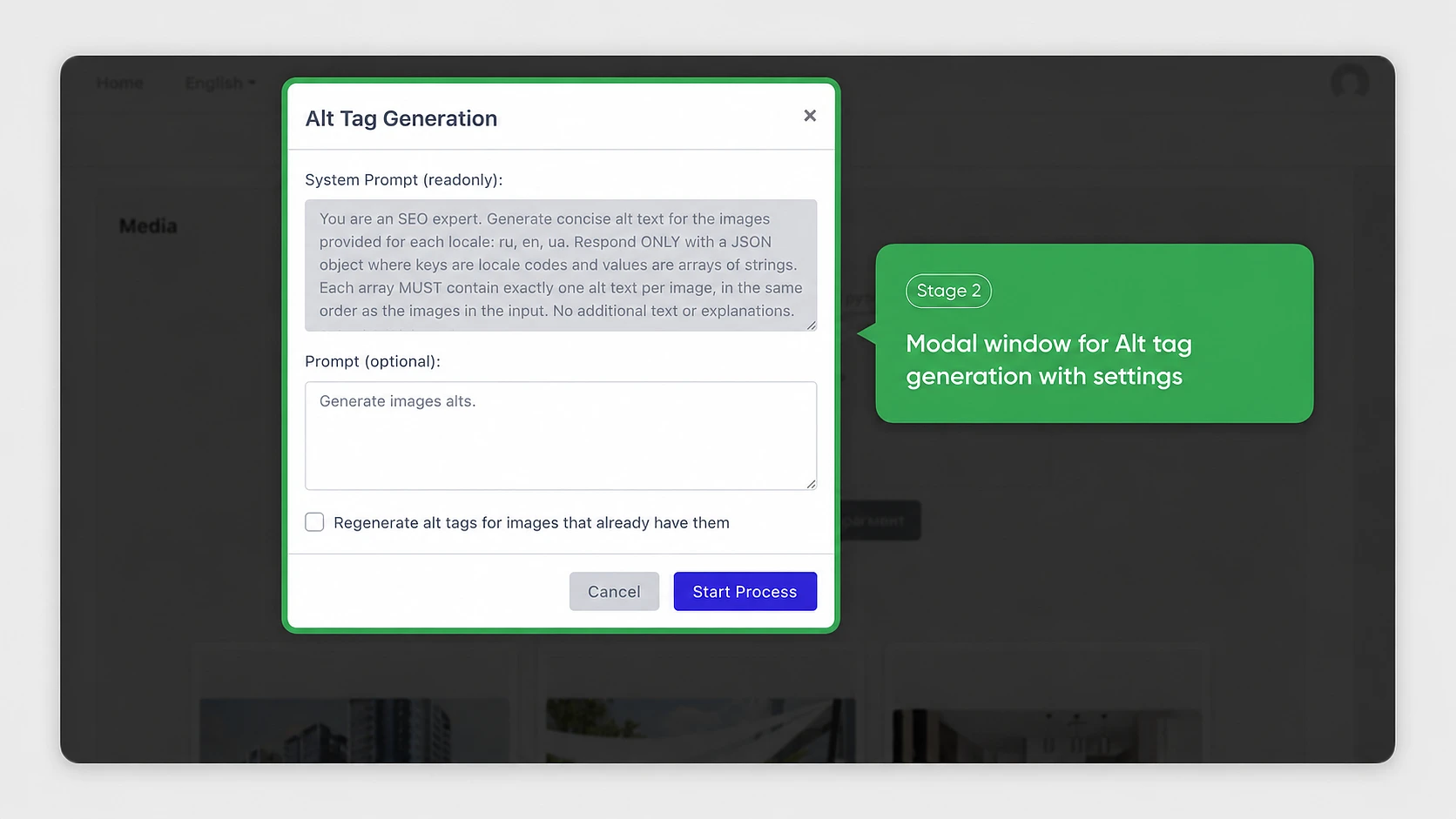
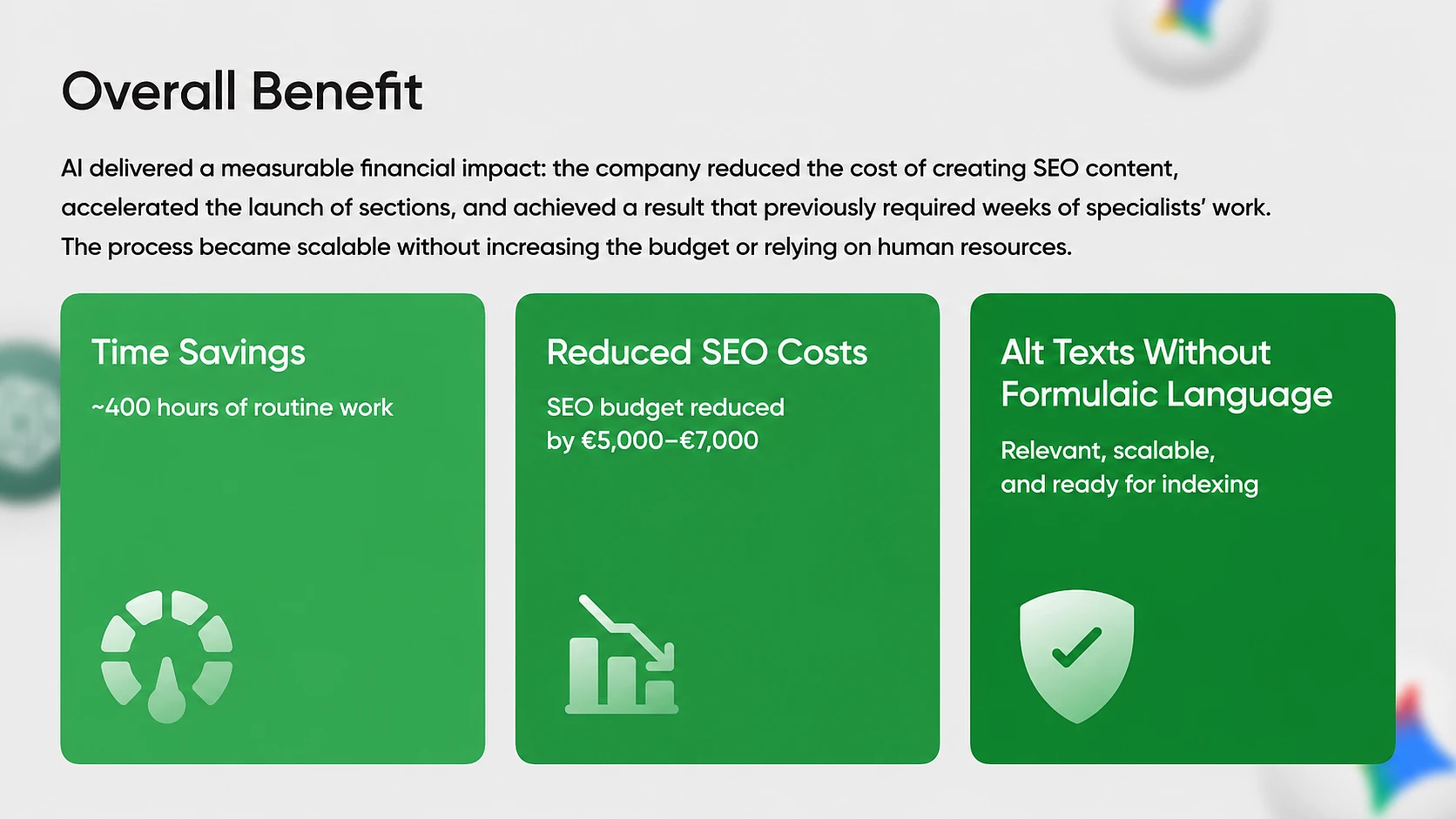
A growing catalog introduced another operational challenge: image metadata. Real estate pages may contain hundreds of photos, renderings, and floor plans, making manual alt-text production a bottleneck for the editorial team. To address it, the BONADOMUS admin panel includes an AI-assisted tool that generates context-aware descriptions based on the page, property type, and neighborhood. Editors can process images in batches as part of the standard publishing workflow, increasing output without a proportional increase in manual work.
Batch alt-text generation provides three practical benefits:
- It helps search engines and assistive technologies interpret images.
- It reduces repetitive work for the editorial team.
- It keeps image metadata consistent as the catalog grows.
In other words, image optimization and accessibility are built into the publishing process instead of being handled as a separate cleanup task.
How the BONADOMUS Platform Works
The table below brings the platform’s main components and their business purpose into one view.
| Component | What Was Implemented | Business Purpose |
|---|---|---|
| Property catalog | New developments, individual units within developments, and resale listings | A unified catalog for multiple property types |
| Neighborhood pages | Search-focused landing pages, navigation hubs, and catalog entry points | Organic search support and a clear path from neighborhood research to property selection |
| Filters and inquiry path | Filters for common search criteria and a direct path to the inquiry form | Helps visitors find relevant properties and submit inquiries faster |
| Editorial workflow | Roles, access controls, and managed publishing | Regular content updates by the client team |
| Multilingual support | English, Russian, and Ukrainian | A localized experience for an international audience |
| Multiple currencies | USD, EUR, UAH, AED, and RUB, with currency conversion | Easier price comparison for visitors using different currencies |
| Integrations | amoCRM, Mapbox, OpenStreetMap, and a currency-rate service | Lead management, maps, location data, and converted prices |
| Spam filtering | Filtering for automated and bulk form submissions | Cleaner incoming lead data |
| AI-generated alt text | Batch generation of image descriptions in the admin panel | Image optimization, accessibility, and efficient publishing at scale |
Architecture and Technology
The technical choices follow the same practical approach. Laravel and a server-rendered Blade frontend provide a stable, predictable foundation, while Vue is reserved for interactions where it materially improves the experience. Custom content entities represent developments, neighborhoods, individual properties, and articles, so the catalog can expand without reworking the underlying architecture.
User Experience
Together, these decisions create a visual property discovery experience that stays focused on the next useful action. Visitors can understand the available inventory, narrow their choices with filters, and submit an inquiry without unnecessary steps. The same journey is optimized for mobile users who first discover a property or contact the agency on a phone.
Result
BONADOMUS gives the client a modern PropTech platform for Dubai and a technical foundation for replacing its legacy application over time. The live product brings property discovery, content publishing, localization, pricing, and inquiry management into a connected system.
It now serves as both a property showcase and an inquiry-generation tool. More importantly for long-term growth, its architecture gives the team room to add markets, content, features, and integrations without starting over.


Need a project built for SEO and scalability?
Contact us and we will launch it!
Other projects
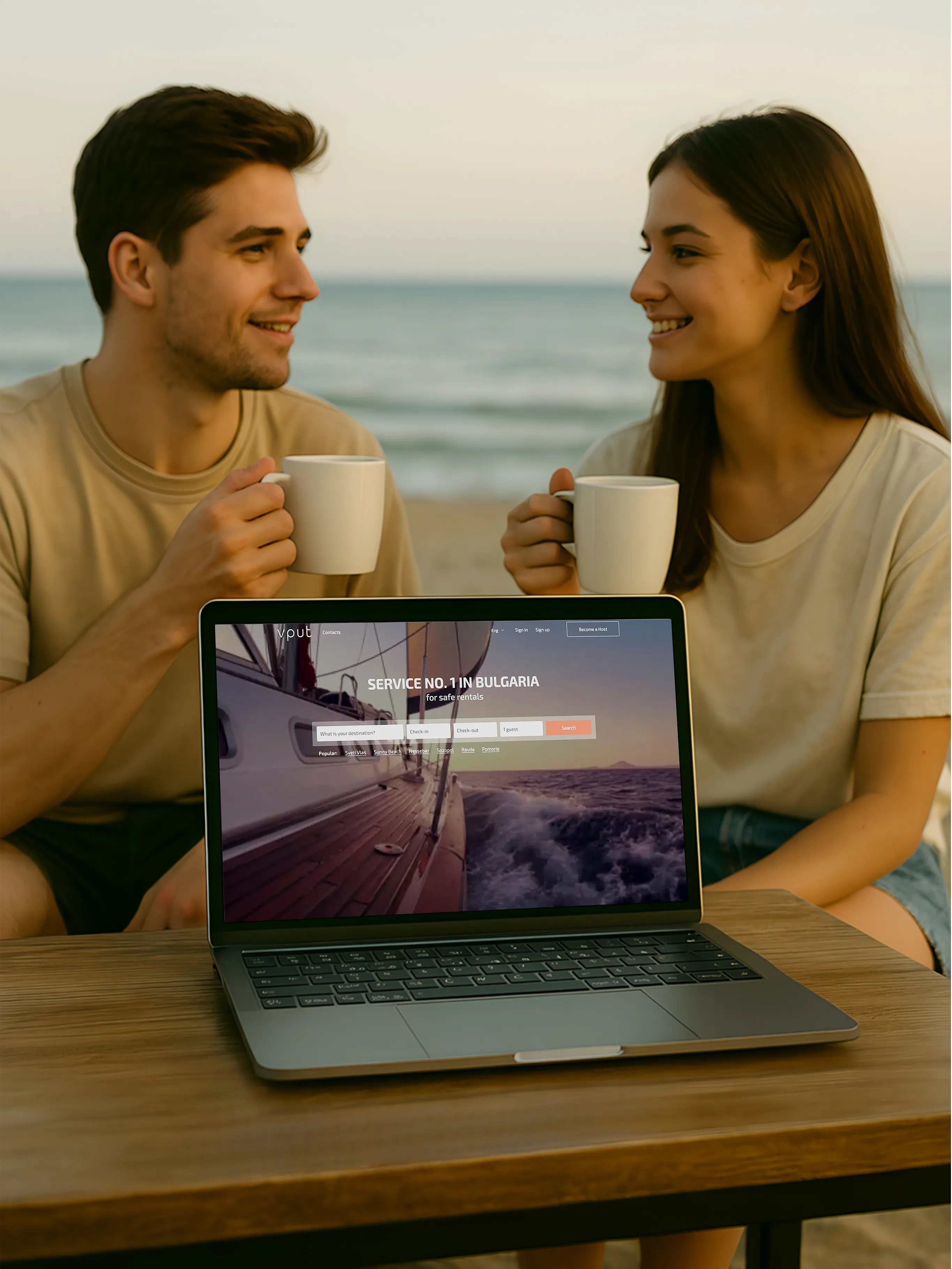
VPUT is an aggregator for apartment rentals in Bulgaria. Over a dozen people worked on this project, with an overall investment of 300,000 euros. This rental property database currently features 2,200 units.


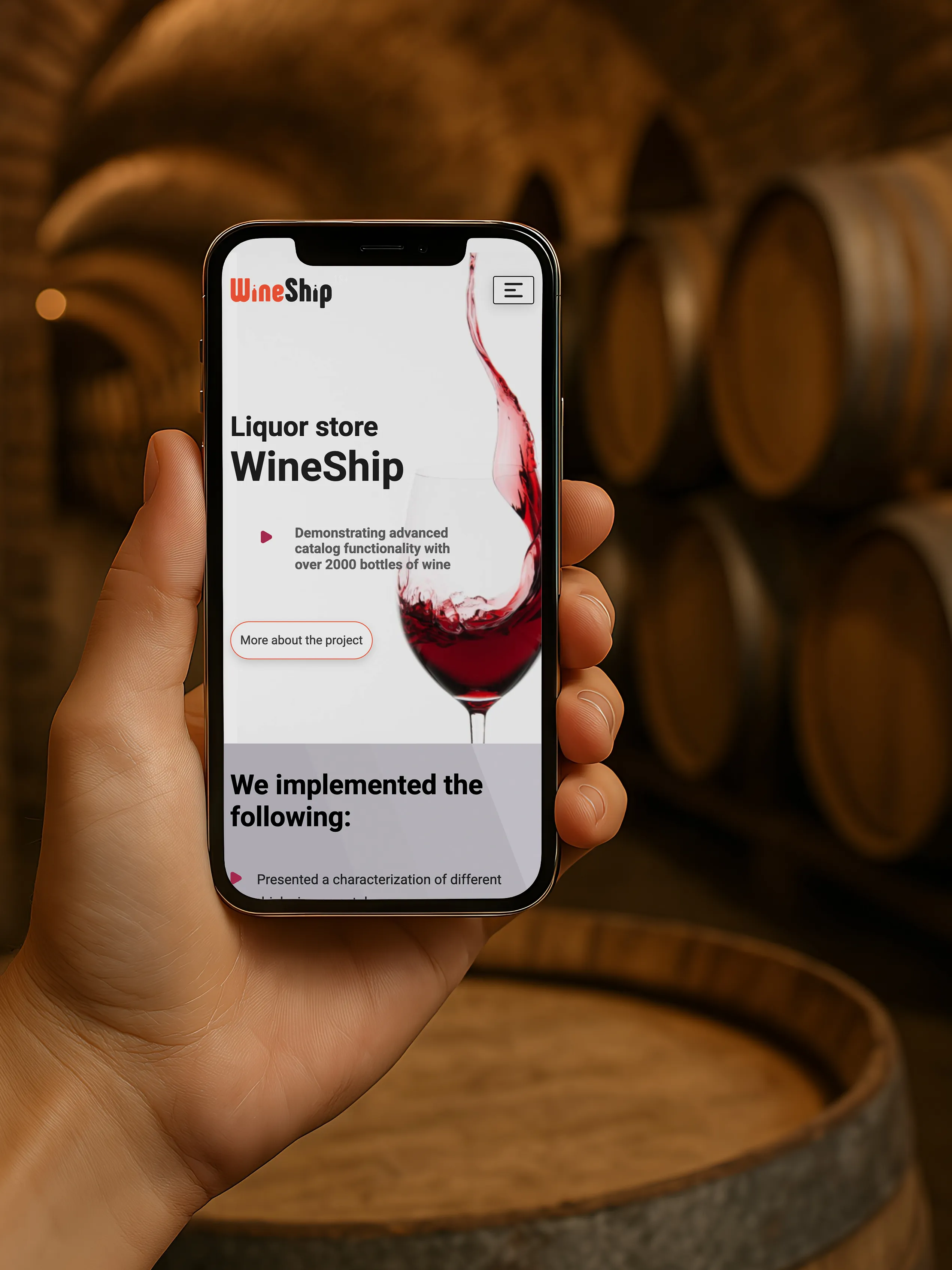
WineShip Liquor Store – advanced catalog functionality with over 2,000 bottles of wine.
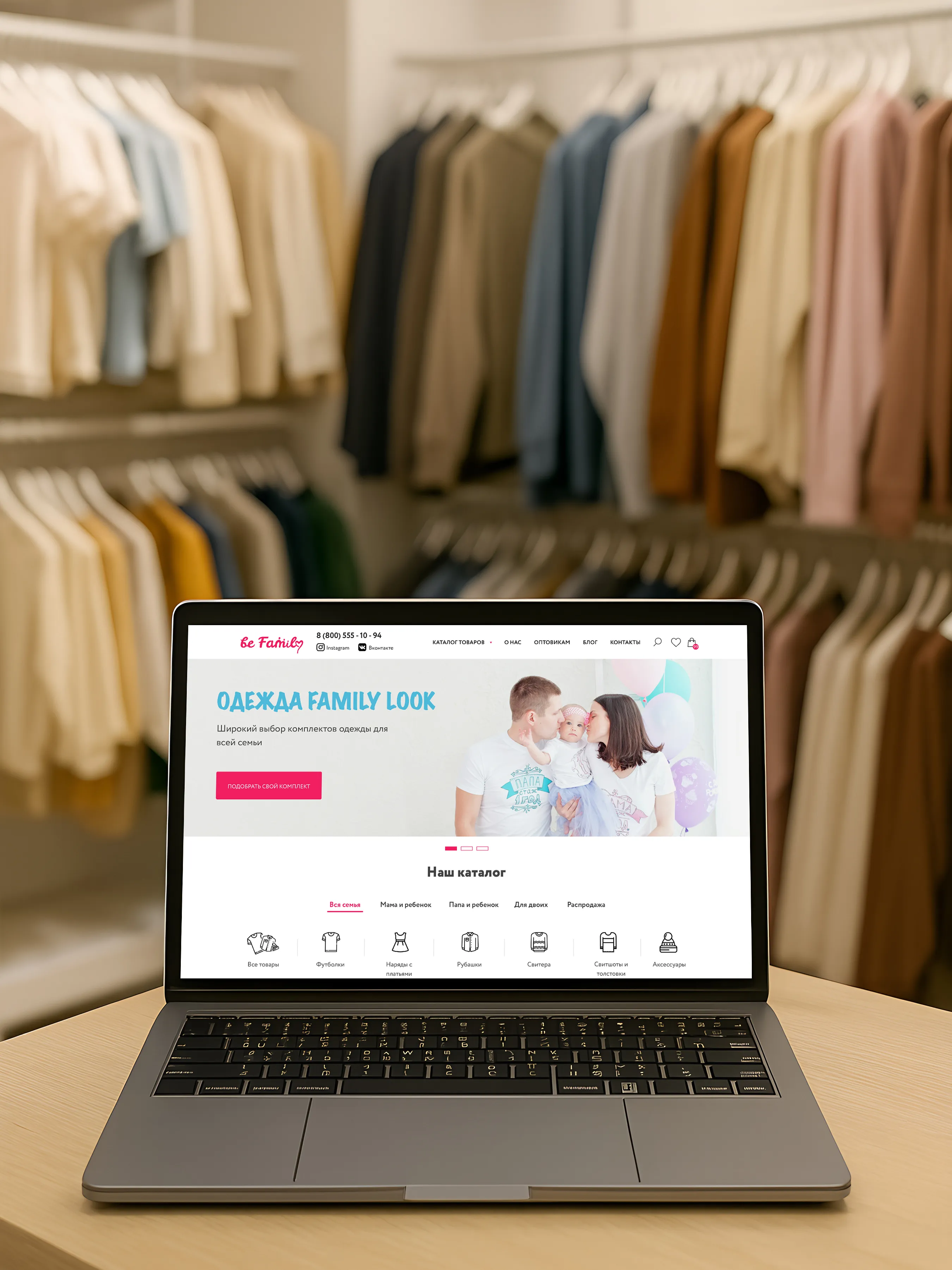
We developed a family clothing online store, optimizing the catalog, design, and user experience, boosting sales with SEO and usability improvements.
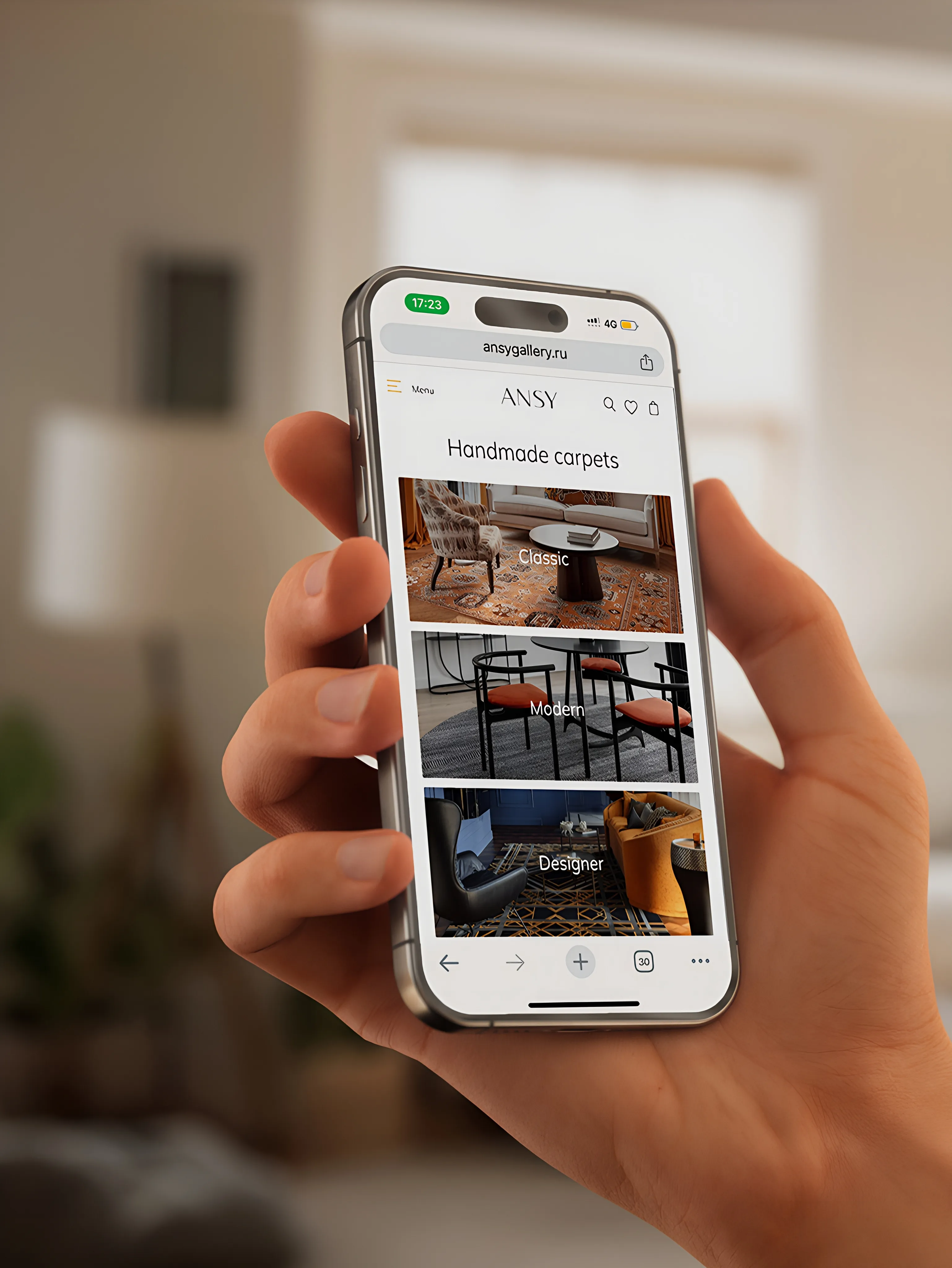
A modern site for selling elite, handmade carpets. Our main goal was to create a user-friendly, trustworthy website.

Successful launch of the RiseX cryptocurrency exchange from scratch – in just 7 months. The project involved 5+ people.
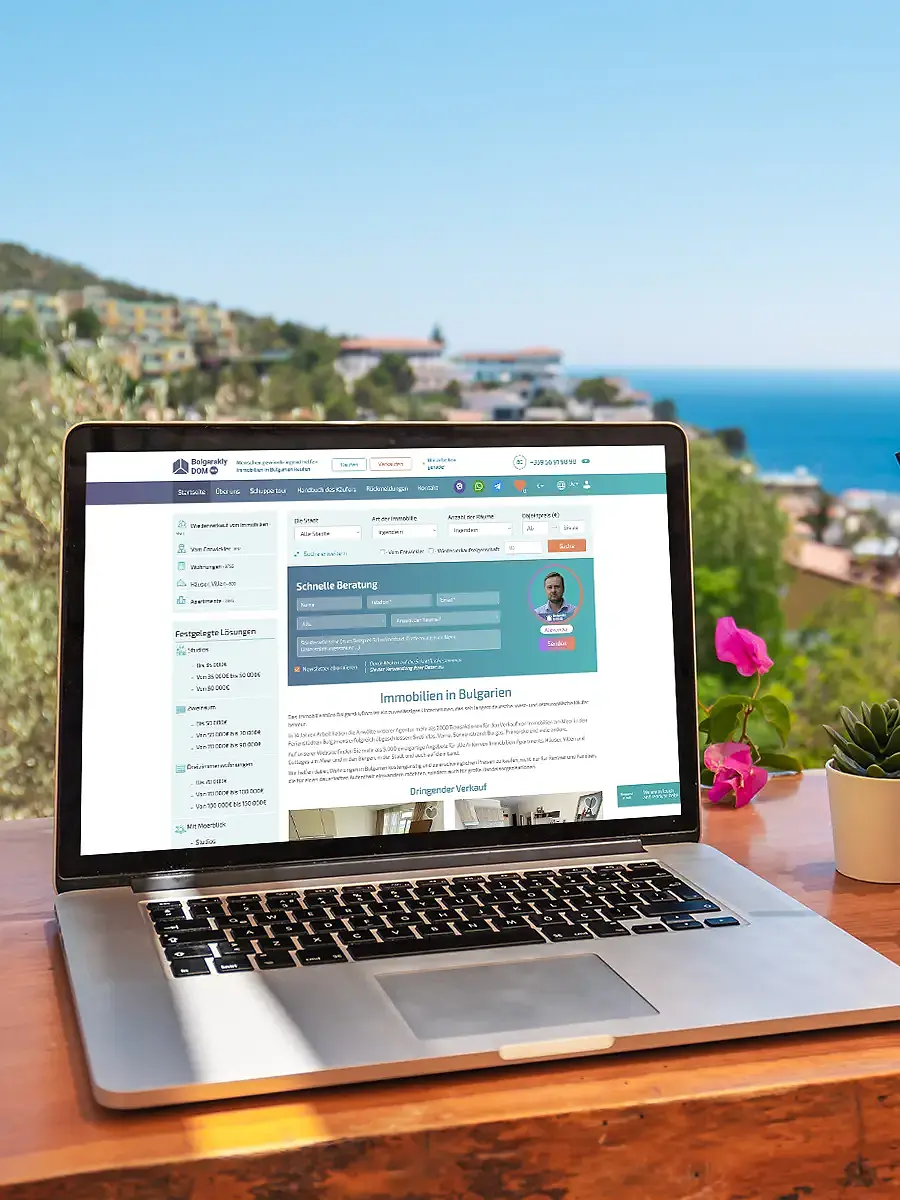
Bolgarskiy Dom is an aggregator for apartment sales in Bulgaria. Over 10 of our people worked on launching this project, creating a database of 5,000 apartments (as of 2024).
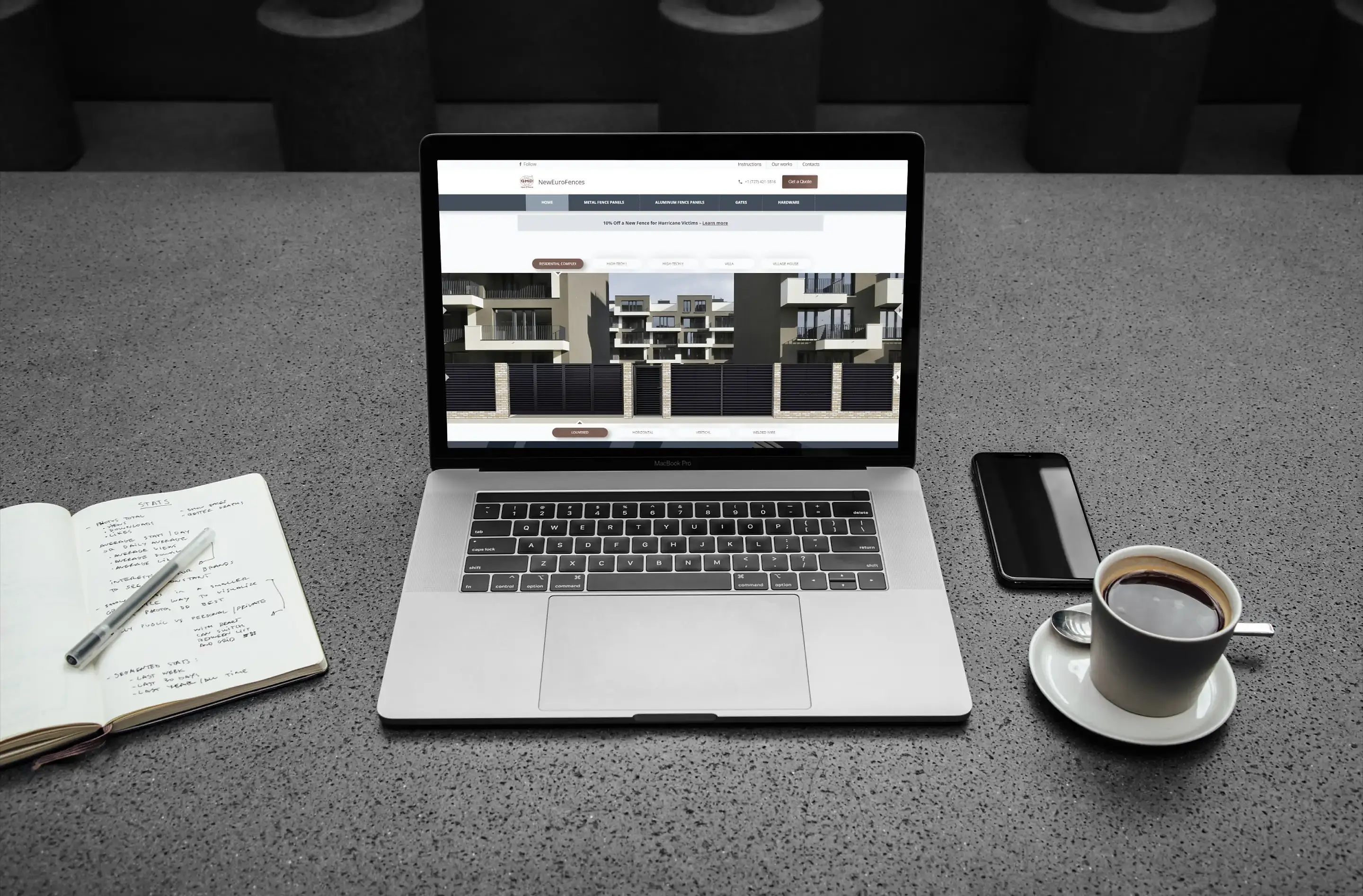
Neweurofences.com is an online store specializing in metal fences and gates. It operates in the USA, with delivery available to other countries.
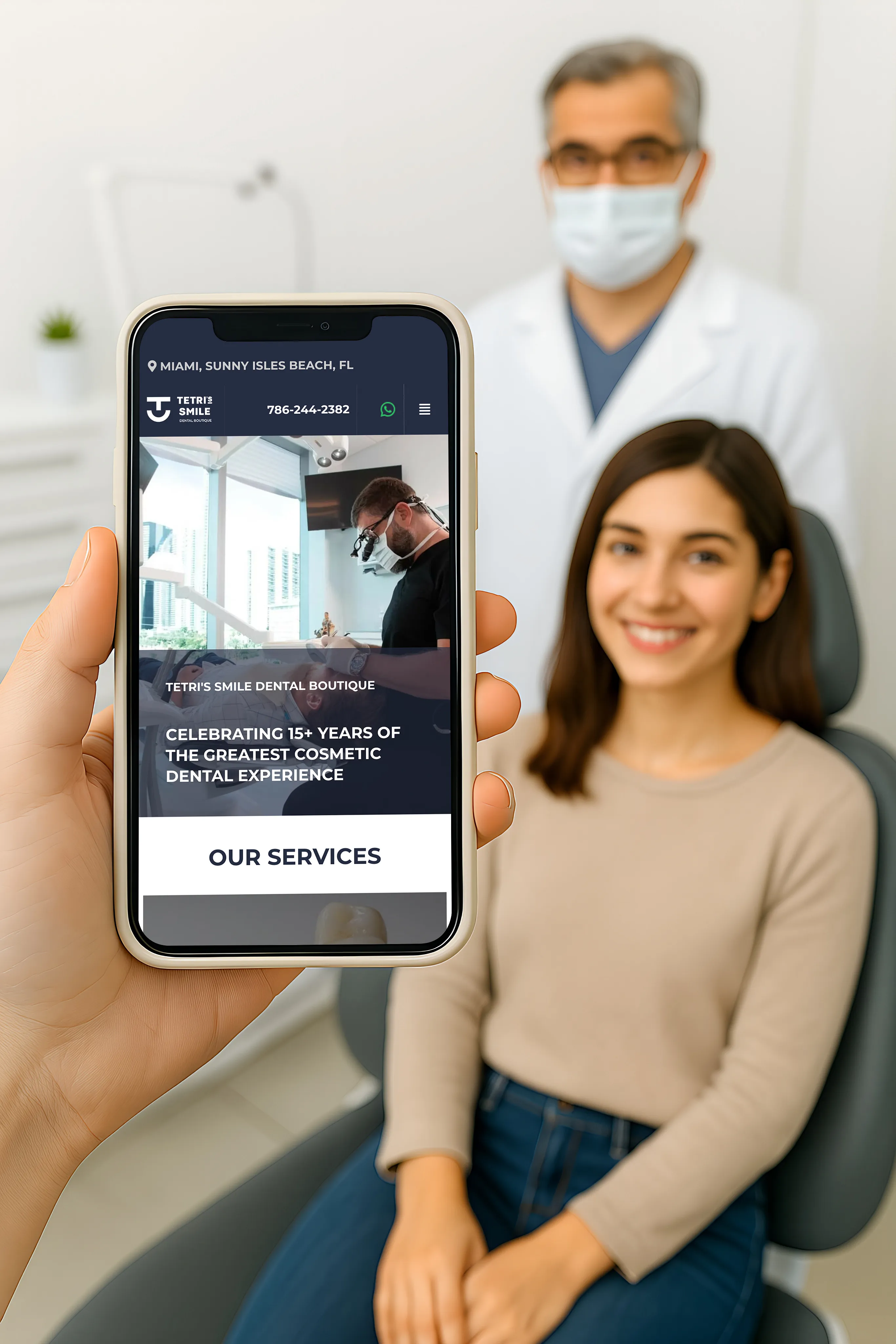
Webdelo recently worked with a brand new dental office in a highly competitive market. We started with a limited budget, and this was one of our first projects in the USA. Read more to learn how we approached this project.
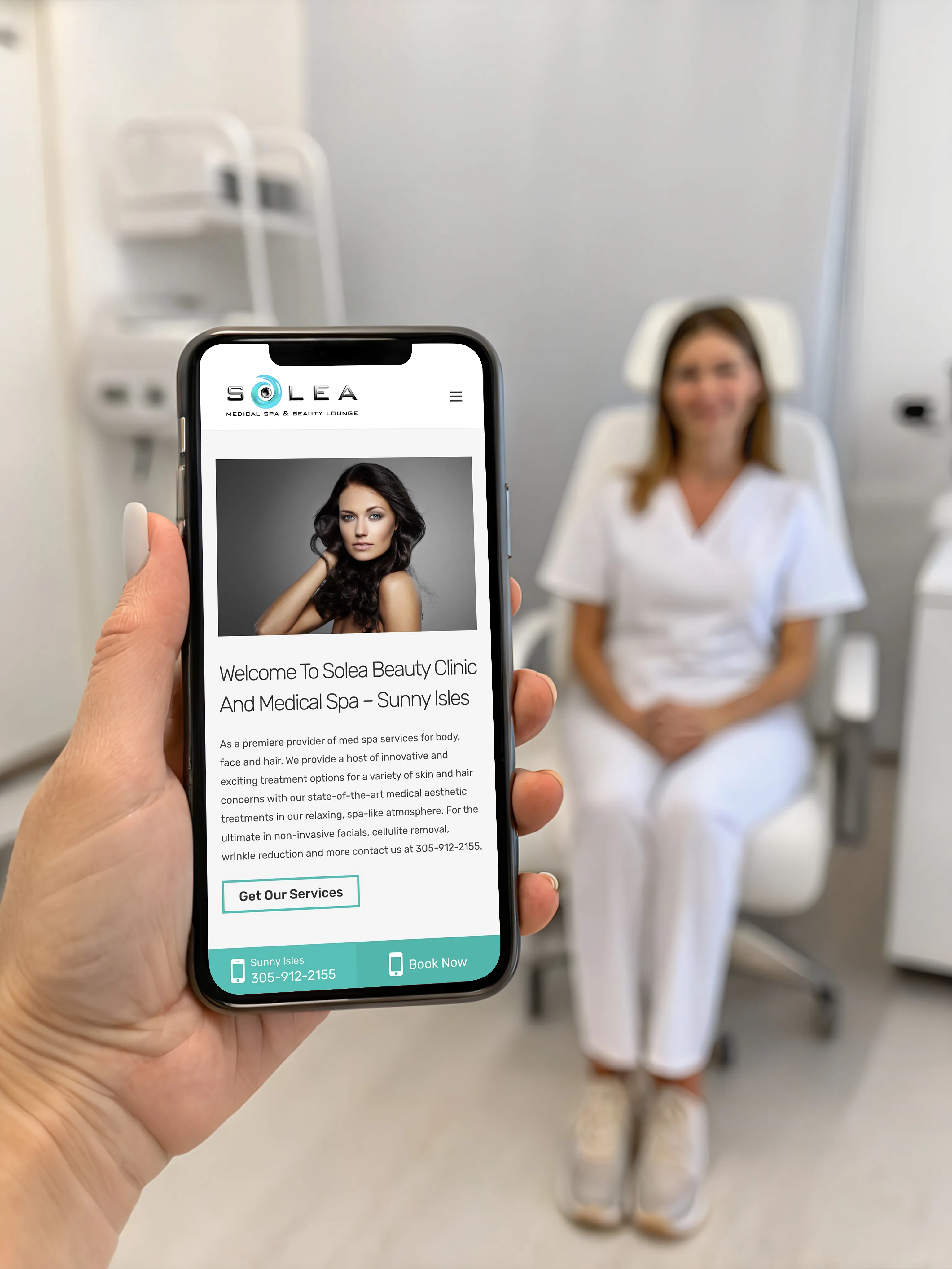
Solea Wellness is a beauty and health salon in Miami offering rejuvenation treatments. The client came to us with the request to increase the website's visibility in search results and attract new customers. The project started with zero rankings, which required a comprehensive approach to promotion and development.

🔹 As a salon in Miami increased applications by 3 times and organic traffic by 250% 🔹 From 0 to 180+ requests in TOP-3: real business growth case
Case study of the development and promotion of an online optical store. Over 10 people worked on this project, creating a catalog with over 10,000 individual items.

Our case study of Svetlanadental.com explores Webdelo’s work in the promotion and website development of a dental office located in south Florida, USA. This establishment is owned by a doctor with extensive experience in her field, and numerous awards.
Advanced Dental Wellness Center is a dental office in Miami, Fort Lauderdale. ADW offers holistic dentistry with a unique approach to treatment.
Migrated MyMoneyArt to WordPress, optimized SEO & UX: +500% traffic, 6× more leads.
Biomilk is a food distributor in Moscow and the regions. +100% organic traffic in 3 months, 200 keywords in the top 10 of Yandex and Google.
Promotion of VIP Dentistry in Manhattan, New York City From 13 to 80 Queries in Google’s Top 10 in Six Months
Mates China is a digital marketing agency that helps businesses promote their products in China through local social networks and marketplaces, including: WeChat, Weibo, Baidu, Douyin, LRB, and others. We helped their team increase traffic by 12 times over a period of 7 months.
How We Built a Vacation Rental Service in Bulgaria and Reached 1,500 Seasonal Bookings – From Idea to Full-Scale Product with SEO and Marketing
Online service with automatic price calculation and +40% orders right after launch.
A dental clinic located in Sunny Isles Beach tripled its number of patient inquiries through search engine traffic and digital marketing. We started promoting the website from scratch, right after the clinic launched.

Explore our SEO approach — from analysis and audits to content, links, and ads. See how we drive businesses to the top of search results.
We built Nevapallete.cn for China: Hong Kong hosting, Chinese domain, fast loading across regions, and a timely launch.
A wine catalog with 2000+ bottles, smart filters, and selection by volume and vintage. Seamless UX and internal linking for better SEO.

Comprehensive SEO for Annazur beauty salon in Florida: traffic growth, local rankings, site optimization, and increased service bookings.
Dental clinic SEO case: 50-80 target calls/month, top search rankings, and traffic growth since Feb 2023 from content and tech improvements.
WordPress showcase website with catalog for German B2B- storage systems for measuring equipment. User-friendly catalog, shipping calculation, VAT validation.
Do you want your website to do more than just exist? Most likely; you want to bring real people to your website and attract customers to your business. At Webdelo, we know how to make that happen. The SoleaBrickellSpa case study is clear proof of our expertise and effective approach.

Discover how Webdelo helped a dental clinic with a small, one-page website double its local patient traffic.
Reducing Load and Increasing Transaction Reliability
How We Boosted Performance and Reduced System Load for Inquiries in Russian
Digital marketing for dental clinics: SEO, Google Maps, and targeted ads. Over 15 years of experience—50,000+ views and 4,860 leads monthly. Grow your clinic with Webdelo!
10 years of niche experience, 7 major projects in Russia and Europe. Comprehensive SEO: from catalog architecture to daily sales and rental leads.

Discover how we moved 5 business locations from Excel to a unified system.

Refinement and development of the educational portal.

We transformed the dental supply store with a faster platform, real-time city-based inventory, and automated key operations. Since launch, traffic has quadrupled, returns have decreased, and the business is now positioned to scale confidently.

Discover How We Reduced Overloaded Queries from 16,685 to 24 in 1.5 Hours
Optimization of automatic ad matching.

Full-cycle development: from detailed technical planning and API architecture to launch and support. Transparent sprints and modern technologies for implementing complex ideas.
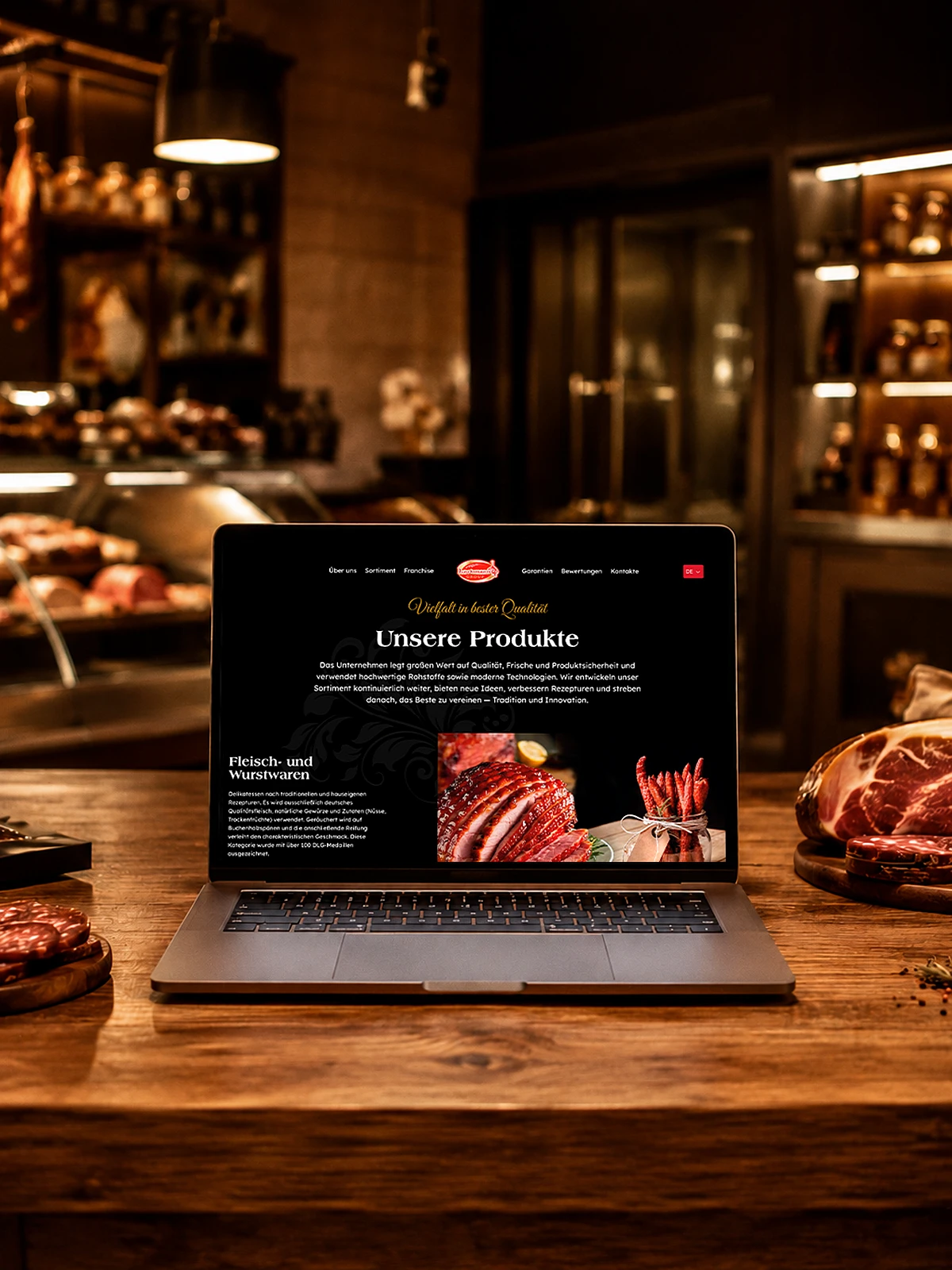
Development of a multilingual landing page for the Lackmann Fleisch- und Feinkostfabrik GmbH franchise in Germany

For a company of thirty people, an internal ERP gives HR and finance back two to four full working days every month — an estimate taken from the volume of manual work before and after. Disputed amounts are visible in the draft, before the payout rather than after it. The calculation rules live in the system, so the HR manager's vacation or departure no longer stops the month from being closed.
